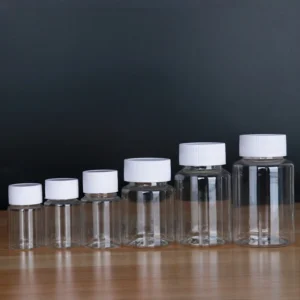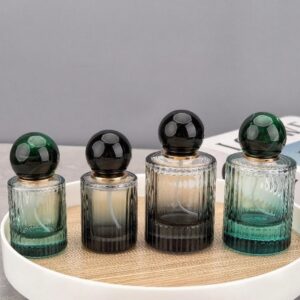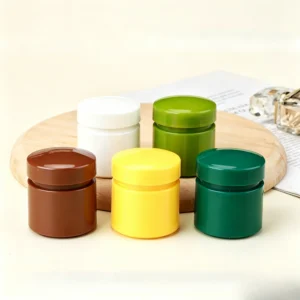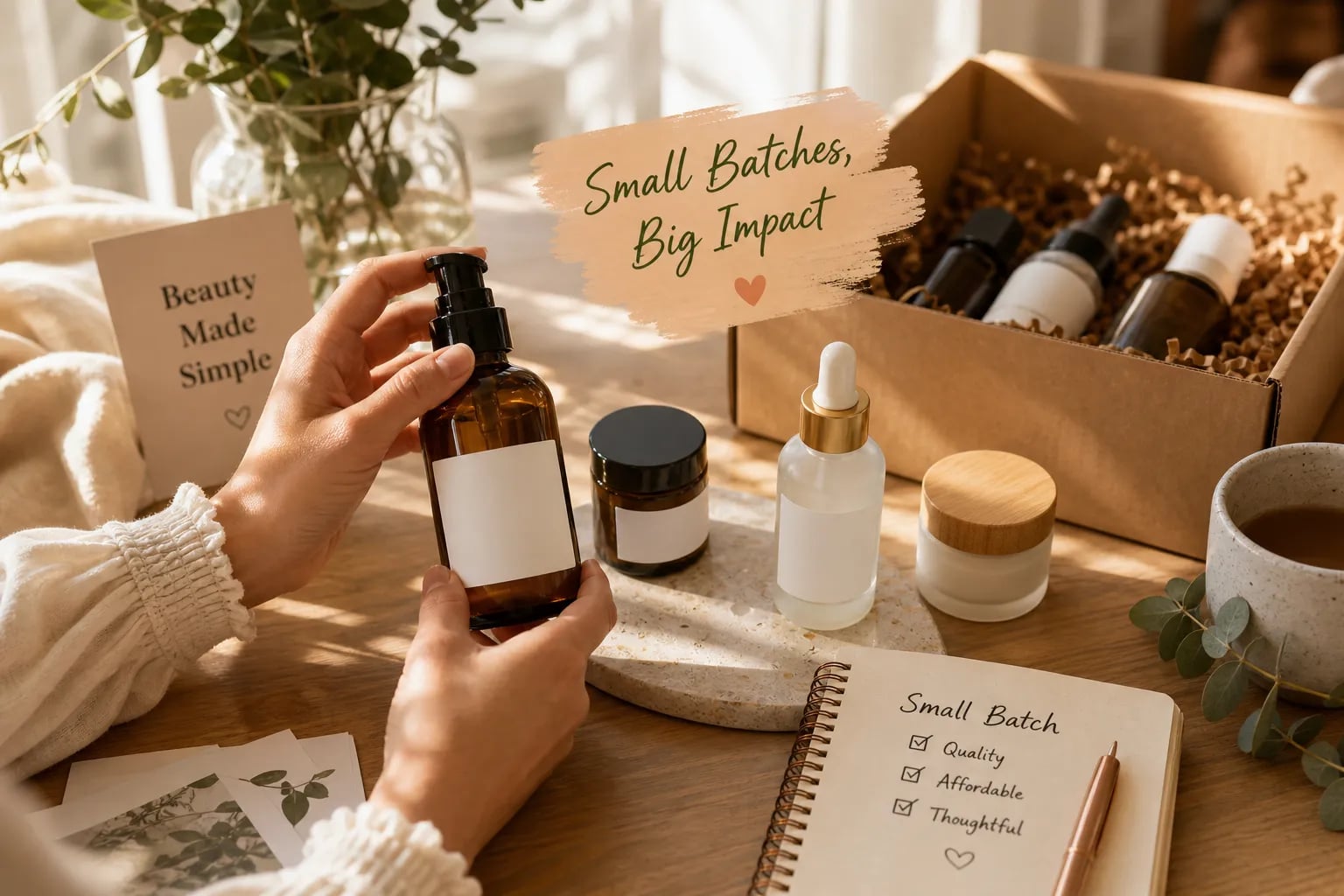
You’ve spent months developing a formula that actually works. The scent is right, the texture is right, the results are real. Then you start contacting packaging suppliers, and every single one comes back with the same answer: 5,000 units minimum. Some ask for 10,000. A few want 20,000 before they’ll even discuss a custom mold. If you’re producing 200 bottles per run, that number isn’t a quote. It’s a door slamming in your face. Finding the right small batch beauty packaging, at quantities that match an actual indie production run, is a sourcing problem most guides completely ignore.
This guide is written for you specifically. By the time you finish reading, you’ll know which container types to start with, which materials protect your formula best, what realistic per-unit costs look like at 100 to 500 units, and where to actually place an order. That’s the model worth understanding before you spend a dollar on packaging.
Why the standard sourcing playbook doesn’t apply here
The MOQ problem most guides ignore
Factory-level minimum order quantities exist because large production runs justify the tooling cost, machine setup time, and labor involved in producing a unique container shape. Custom glass molds alone can require 5,000 to 10,000 units at minimum, and some overseas factories won’t discuss a new plastic mold for anything under 20,000 pieces. That math makes perfect sense for an established brand reordering its hero product. It makes zero sense for a small-batch producer running 100 to 500 units per SKU.
Even decorated stock bottles from overseas suppliers typically start at 1,000 to 10,000 units, while U.S. distributors often carry undecorated stock containers from as low as 100 units. That gap between 100 and 10,000 is exactly where most indie beauty brands live, a space the traditional packaging industry has historically ignored. Knowing where that gap is gives you the power to navigate around it.
What “low MOQ” actually means in practice
Para low-MOQ cosmetic packaging purposes, the practical definition is stock (undecorated) containers available at 100 to 500 units per SKU. Decorated stock containers typically start at 500 to 3,000 units, and custom molds are simply off the table for most small-run producers at this stage. That’s not a limitation; it’s actually a clarifying constraint. It tells you exactly where to shop and what to look for.
Lead times follow the same pattern. U.S. stock packaging can arrive within one to three weeks from the order date, while overseas stock orders typically add four to eight weeks for production and transit, before accounting for customs processing and domestic delivery. For small batches, the sourcing strategy writes itself: match your container choice to available stock formats rather than designing around a custom shape you can’t afford to minimum-order yet.
Container types for small batch beauty packaging
Dropper bottles and airless pumps for serums and oils
For serums, facial oils, and treatment concentrates, dropper bottles and airless pump bottles are the two most practical formats at small-batch scale. They serve different needs. Dropper bottles give precise dosing and work well for oil-based and water-based serums alike. Glass dropper bottles are the standard format for vitamin C serums, retinol treatments, and essential oil blends. Airless pump bottles solve a different problem: they eliminate air contact inside the chamber entirely, which extends shelf life for oxidation-prone formulas and gives the product a more clinical, premium feel.
Both formats are commonly available in 15 ml to 50 ml sizes from most stock suppliers, though available size ranges vary by vendor, so confirm specifics when you reach out. Neither requires custom tooling to access in professional-grade glass or PET plastic, and both work well for small-run beauty packaging orders.
Cream jars, spray bottles, and tins for broader product types
Wide-mouth cream jars are the workhorse format for moisturizers, body butters, and balms. They’re available in glass and PET plastic, photograph well, and give your label maximum surface area to work with. Fine-mist spray bottles are the right call for toners, facial mists, and body sprays, with nozzle options ranging from ultra-fine mist to a wider stream depending on your formula’s viscosity. Metal tins are especially popular for solid balms, salves, and travel-size products; their tactile quality and durability add perceived value at the point of sale in a way plastic rarely matches.
All three of these formats are widely available as stock SKUs from wholesale suppliers, which means you can access them without any custom tooling cost or elevated minimums. Glass jars and aluminum tins photograph beautifully and help indie products look premium on retail shelves, even when your run size is 150 units.
Foamer pumps and roll-ons for niche product lines
Foam pump bottles and roll-on bottles are two formats that often get overlooked by first-time packaging buyers, but both solve real product-specific problems. Foam pumps are ideal for facial cleansers, hand washes, and shampoos; they control the dispensed amount and reduce waste in use, which is a feature customers notice and appreciate. Roll-on bottles are the natural fit for perfume oils, pulse-point blends, and spot treatments where targeted application matters.
Both formats are available in small quantities from specialty wholesalers, and neither requires any custom investment to access. Adding one of these formats to your product line differentiates your SKU without a penny spent on mold tooling.
Glass, plastic, or metal: picking the right material for your formula
When glass is the right call (and when it isn’t)
UV-protective glass is non-negotiable for light-sensitive formulas. Amber, cobalt, and violet glass block specific wavelengths of light that degrade active ingredients over time; if your formula contains vitamin C, retinol, essential oils, or botanical extracts, any of these three glass types will extend shelf stability in a way clear glass or PET plastic simply cannot match. That’s not a marketing claim; it’s chemistry. Light exposure degrades these ingredients, and the packaging is the first line of defense.
The honest tradeoffs: glass is heavier, which increases shipping costs, and it’s breakable, which adds risk in transit and requires careful inner packaging for e-commerce orders. Per-unit cost at small volumes typically runs $0.80 to $1.50 for a stock glass jar, compared to $0.12 to $0.65 for a comparable PET plastic bottle. (These are practical planning ranges drawn from supplier catalogs and industry surveys; your actual pricing will vary by supplier and order quantity.) Glass also photographs beautifully and signals quality to the consumer in a way that influences purchase decisions on retail shelves. For premium positioning, that premium cost often earns back its investment.
PET and PCR plastic: the practical workhorse
PET plastic is the most practical format for a wide range of indie beauty categories: it’s shatter-resistant, lightweight, chemically compatible with most water-based formulas, and available at the lowest per-unit cost at small volumes. Standard stock PET bottles run from $0.12 to $0.65 per unit depending on wall thickness, closure type, and size. For brands that ship direct-to-consumer, PET’s shatter resistance meaningfully reduces returns and damage claims compared to glass.
PCR (post-consumer recycled) PET is the sustainability upgrade most accessible to small-batch producers. Stock PCR-PET bottles run roughly $0.30 to $0.60 per unit for 50 ml formats, with MOQs starting around 500 units for available stock. The premium over virgin PET is typically 10 to 30 percent, or $0.05 to $0.15 extra per bottle at small volumes. One important formula-compatibility note: many formulators prefer glass or HDPE for essential oils and high-alcohol products, check compatibility with your supplier before selecting PET for those formulas, since some compounds can interact with the container material over time.
Aluminum tins and metal closures
Aluminum tins are the smart format for solid products: balms, salves, solid perfumes, and travel sizes. They’re durable, feel premium in hand, and their tactile weight adds perceived value at the point of sale. Stock aluminum tins run approximately $0.40 to $0.90 per unit for standard formats, with some entry-level options near $0.46 for a 100 ml screw-top tin in larger small-run quantities. They’re especially popular among candle makers and solid skincare formulators who need a container that can handle heat without deforming.
Metal closures, caps and lids, also work well as an upgrade detail on glass jars, elevating the look of a stock container without requiring any custom tooling. A matte black aluminum cap or a gold metal lid can transform a standard glass jar into something that looks genuinely premium on a retail shelf. It’s one of the simplest ways to add a finished, high-end look to an otherwise standard package.
Where to buy small batch beauty packaging supplies
Why most overseas factories aren’t the right starting point
Direct overseas factory sourcing makes financial sense at scale, typically 5,000 units and above, where the lower unit price offsets the cost of international freight, customs processing, and an 8-to-16-week lead time. For a brand ordering 200 units, the math doesn’t hold. Tooling fees, freight, and import logistics quickly erode any per-unit savings, and you’re waiting several months for a container you could have received in three weeks from a domestic distributor.
The unit price on an overseas quote looks compelling until you add landed cost. For small-run packaging for cosmetics, domestic stock wholesale is almost always the better total cost when you account for time, minimums, and logistics.
Stock wholesale suppliers built for small brands
This is where BOBOPKG was purpose-built to solve the problem. BOBOPKG’s catalog spans thousands of SKUs across glass, plastic, and metal containers specifically designed to serve indie beauty and wellness brands that need professional-grade packaging without factory-level commitments. Dropper bottles, airless pump bottles, cream jars, violet glass vials, foamer pumps, spray bottles, aluminum tins: all available in quantities that match an actual small-production run.
No custom tooling is required, no 10,000-unit minimums, no 16-week container ship wait. The catalog specifically emphasizes preservation-focused formats: UV-protective amber and violet glass for light-sensitive formulas, airless dispensers for oxidation-prone serums, tamper-evident closures for regulatory compliance. For an indie brand ordering their first 200-unit run, this is the sourcing model that makes production possible without a factory-scale commitment. Reach out to the BOBOPKG team directly for bulk pricing and custom quotes on larger runs.
Where to source labels and printed cartons separately
Primary containers and printed labels are typically sourced from separate suppliers at small-batch scale, and that’s completely normal workflow for indie beauty brands. For short-run digital-printed cosmetic labels, a number of domestic printers offer very low minimums, some starting at 50 units, with turnaround times as short as five business days. For folding cartons, digital printing is available from roughly 50 to 500 pieces through specialty print houses focused on the beauty and wellness space.
When you’re evaluating label printers, ask specifically whether the quoted minimum applies per SKU, per color, or per order, because the answer changes the actual cost significantly. Request a physical proof before approving a full run, and confirm that the adhesive is rated for the specific container material you’re using.
What you’ll realistically pay per unit at small production volumes
Per-unit cost ranges by container type
Here are practical cost benchmarks for stock, undecorated containers at small-batch volumes, drawn from supplier catalogs and industry planning ranges. These are container-only figures; labels, filling, cartons, and shipping are additional costs on top of these numbers.
- Glass jars: $0.80 to $1.50 per unit at approximately 500 units
- PET bottles: $0.12 to $0.65 per unit depending on wall thickness and closure type
- Airless pump bottles (30 to 50 ml): $0.85 to $1.40 per unit
- Aluminum tins: $0.40 to $0.90 per unit for standard stock formats
- PCR-PET bottles: $0.30 to $0.60 per unit for 50 ml stock formats
These figures give you a realistic packaging cost baseline for budgeting your cost of goods. Build in at least 20 to 30 percent additional per unit to account for closures, labels, cartons, and inbound freight before you set your retail price.
Where small-batch producers lose money (and how to avoid it)
The most common cost traps in private-label small batch beauty packaging are custom mold tooling fees ($500 to $6,000 or more for a proprietary shape), ordering containers in sizes that don’t match your fill volume (which wastes product or creates a poor shelf presentation), and choosing overseas suppliers for quantities under 1,000 units where landed cost eats the unit-price advantage. Unnecessary decoration minimums are another trap: getting locked into a 5,000-unit decorated stock order when you’re not ready to move that volume is a cash flow problem, not a packaging win.
The practical rule for your first one to three production runs: stay with stock container formats. There’s no shortage of professional-grade stock packaging available at quantities that make sense for a small run. Once you’ve validated demand and have real sales data, you’ll have the justification to explore semi-custom options with confidence rather than guesswork.
Eco-friendly packaging that actually works at small scale
PCR plastic: the accessible starting point for sustainability
Post-consumer recycled plastic is the most cost-effective sustainable option available to small-batch producers. Stock PCR-PET and PCR-HDPE bottles are widely available at approximately $0.30 to $0.60 per unit, with MOQs starting around 500 units for many stock formats. The premium over virgin PET is small enough that most indie brands can absorb it or pass it on transparently as a sustainability feature, a credible and growing selling point in the natural beauty market.
This is the realistic first step for indie brands that want to reduce virgin plastic use without absorbing a cost increase they can’t pass along to customers. PCR-PET stock containers are increasingly carried by mainstream wholesale suppliers alongside standard PET, so you don’t have to source from a specialty supplier to access them.
Recycled glass and compostable cartons: when they make sense
Recycled glass jars at $0.80 to $1.50 per unit are the premium sustainable option for brands in the natural and organic beauty space where glass packaging is an expectation among their customer base. The MOQ for stock recycled glass typically starts around 1,000 to 5,000 units, which makes it realistic only for brands already moving meaningful volume per SKU. Plan for the added shipping weight and breakage risk in transit when you’re budgeting landed cost for glass.
For secondary packaging, FSC-certified recycled folding cartons are available from around 500 units and represent one of the most cost-effective sustainability upgrades available. One critical caveat worth noting before you write “compostable” on your label: most certified compostable films and molded-fiber products require industrial or commercial composting facilities, not home bins. Verify the actual composting infrastructure your customers have access to before making that claim, because regulators and consumers are both paying closer attention to greenwashing in packaging.
U.S. labeling requirements every small-batch seller needs to know
What the FDA requires on a cosmetic label
Whether you’re selling on Etsy, at a farmers market, or in a boutique retail space, the same federal labeling rules apply. Every retail cosmetic label sold to U.S. consumers must include a statement of identity (what the product is), the net quantity of contents, the name and place of business of the manufacturer or distributor, and a complete ingredient declaration. Ingredients must be listed in descending order of predominance by weight, using FDA-accepted nomenclature, in practice, INCI (International Nomenclature of Cosmetic Ingredients) names rather than casual marketing names.
Fragrance and flavor may be listed as single collective terms without disclosing individual components, which gives formulators some protection for proprietary scent blends. Color additives must be identified according to FDA rules using their certification names or established common names. The ingredient list must appear on the outer container or on a firmly attached tag or card, not just on your website. An online listing is useful for transparency and customer experience, but it does not satisfy the physical labeling requirement under FDA rules.
When your product crosses into OTC drug territory
Here’s the trigger that catches many small-batch formulators off guard: if your product claims to treat, prevent, or affect the structure or function of the body, it’s regulated as both a cosmetic and an over-the-counter drug. Sunscreen is the most common example. An SPF moisturizer, an acne treatment cleanser, a dandruff shampoo, a hair regrowth serum, all of these cross into OTC drug territory based on the claims they make, regardless of the formula’s ingredient list.
OTC drug products must comply with the relevant drug monograph, which specifies required active ingredients, permitted concentrations, mandatory warnings, and specific label language. Active ingredients must be listed separately and prominently, ahead of the cosmetic ingredient declaration. If you’re formulating an SPF moisturizer or an anti-acne serum and you haven’t reviewed the applicable OTC monograph, that’s the first step before finalizing your label. The compliance requirements are meaningfully more involved than standard cosmetic labeling.
How to place your first small-batch order without second-guessing it
Start with samples before committing to any quantity
Request physical samples of your shortlisted containers before placing even a 100-unit order. Sample fees are typically modest but vary by supplier, request sample pricing when you contact them, and treat it as cheap insurance against a much more expensive mistake. When the samples arrive, check the fill volume against your formula quantity (measure it with water if needed), test the closure for leaks and ease of use, evaluate how the container photographs in your intended lighting setup, and confirm that a dropper or pump dispenses at the volume your formula directions call for. A dropper that releases twice the intended dose per use is a real problem for an active-ingredient serum.
Also check the threading on closures if you’re planning to source caps and containers from different suppliers, which is common at small volumes. Compatibility between bottle neck finish and closure type needs to be physically confirmed, not assumed from a spec sheet.
Build your order around what’s in stock
The most reliable sourcing strategy for small batch beauty packaging is to match your container choice to available stock SKUs rather than designing around a custom shape that requires tooling. With thousands of stock SKUs available from suppliers like BOBOPKG, there’s no shortage of professional container formats to work with at volumes that make sense for a 50 to 500 unit run. Amber dropper bottles, violet glass vials, airless pump dispensers, wide-mouth cream jars, aluminum tins: all of these are available off the shelf without any custom investment.
Stock containers in your first run give you something more valuable than a unique bottle shape: they give you validated demand. Once you’ve sold through your first 200-unit run and know which SKU is moving, you have real data to justify a semi-custom upgrade. That’s the smart sequencing: stock first, custom when the sales data supports it.
Plan your lead time backward from your launch date
Build your packaging order schedule around your launch date, not the other way around. For U.S. stock packaging, plan for three to six weeks from order to labeled product, which factors in delivery (one to three weeks), filling time, and label application. For overseas stock packaging, budget ten to sixteen weeks door-to-door, that window accounts for production, ocean freight, customs clearance, and domestic delivery. Any overseas custom or decorated packaging requires additional time on top of that: add buffer for artwork approvals, production revisions, and customs uncertainty.
The simplest planning rule: work backward from your intended ship date for the first customer order and add at least two weeks of buffer beyond your estimated packaging delivery date. That buffer absorbs filling delays, label reprints, and the inevitable small logistical surprises that come with a first production run.
Your packaging doesn’t have to be perfect on the first run
Small batch beauty packaging doesn’t require you to choose between a bare-minimum product presentation and a factory-scale commitment. The practical path for most indie producers is this: pick a stock container format that fits your formula type, choose a material that matches your preservation needs (UV glass for light-sensitive formulas, PET for water-based products, aluminum for solids), source containers from a wholesale supplier built for small brands, and handle labels separately through a short-run digital printer. That’s a complete packaging supply chain, no factory-scale commitment required.
BOBOPKG is the natural starting point for the container side of that equation, with thousands of SKUs spanning glass, plastic, and metal packaging formats accessible without large upfront commitments. Browse the catalog, request samples of your shortlisted containers, and get in touch with the team for pricing on the quantities that match your actual production run.
Your packaging decisions at 100 units don’t lock you in forever. Start with what protects your formula and fits your current budget, learn what your customers respond to, then scale up when the demand tells you it’s time. That’s not settling; that’s smart brand building.
Frequently asked questions about small batch beauty packaging
What is a low MOQ for cosmetic packaging?
For most stock wholesale suppliers, low MOQ means you can order as few as 100 to 500 units per SKU for undecorated containers. Decorated or printed stock typically starts at 500 to 3,000 units. Custom molds almost always require 5,000 units or more, which puts them out of reach for most small-run producers in early production stages.
How long does small-batch packaging take to arrive?
U.S. stock packaging typically arrives within one to three weeks from your order date. Overseas stock orders add considerably more time, budget four to eight weeks for transit alone, or ten to sixteen weeks if you need a full door-to-door estimate that includes production, customs, and domestic delivery.
Can I order sample-size beauty containers before committing to a full run?
Yes, and you should. Most wholesale suppliers offer physical samples for evaluation before you place a production order. Sample pricing varies by supplier, so ask for a quote when you reach out. Testing your actual container, fill volume, closure fit, pump dispense rate, and photography performance, before committing to even 100 units is one of the highest-value steps in the sourcing process.
What’s the difference between stock and custom packaging for small brands?
Stock packaging refers to off-the-shelf containers with no proprietary tooling required. You order from an existing mold in an existing size and finish. Custom packaging involves commissioning a unique shape, finish, or decoration, which typically means paying tooling fees ($500 to $6,000 or more) and meeting much higher minimums. For most indie beauty brands in their first one to three runs, stock is the right call.

 English
 Français
 Deutsch
 Español