How to Choose the Right Dropper: The Ultimate Guide to Precision and Compatibility
In the world of premium skincare, pharmaceuticals, and nutraceuticals, the dropper is often the primary touchpoint between the consumer and the product. Yet, many brands treat the dropper assembly as an afterthought—a simple “lid” to close a bottle. This is a costly mistake. A dropper is a precision-engineered delivery system. Selecting the wrong assembly can lead to catastrophic product failure, including oxidation, rubber degradation, or inaccurate dosing that compromises consumer safety and brand reputation.
الحكم: To choose the right dropper, you must match the bulb material (NBR, Silicone, or TPE) to your product’s chemical profile, select a pipette length that reaches 2-3mm from the bottle floor, and ensure the neck finish (GPI/DIN) matches your container perfectly to prevent leaks and evaporation.
Section 1: The Anatomy of a Dropper Assembly
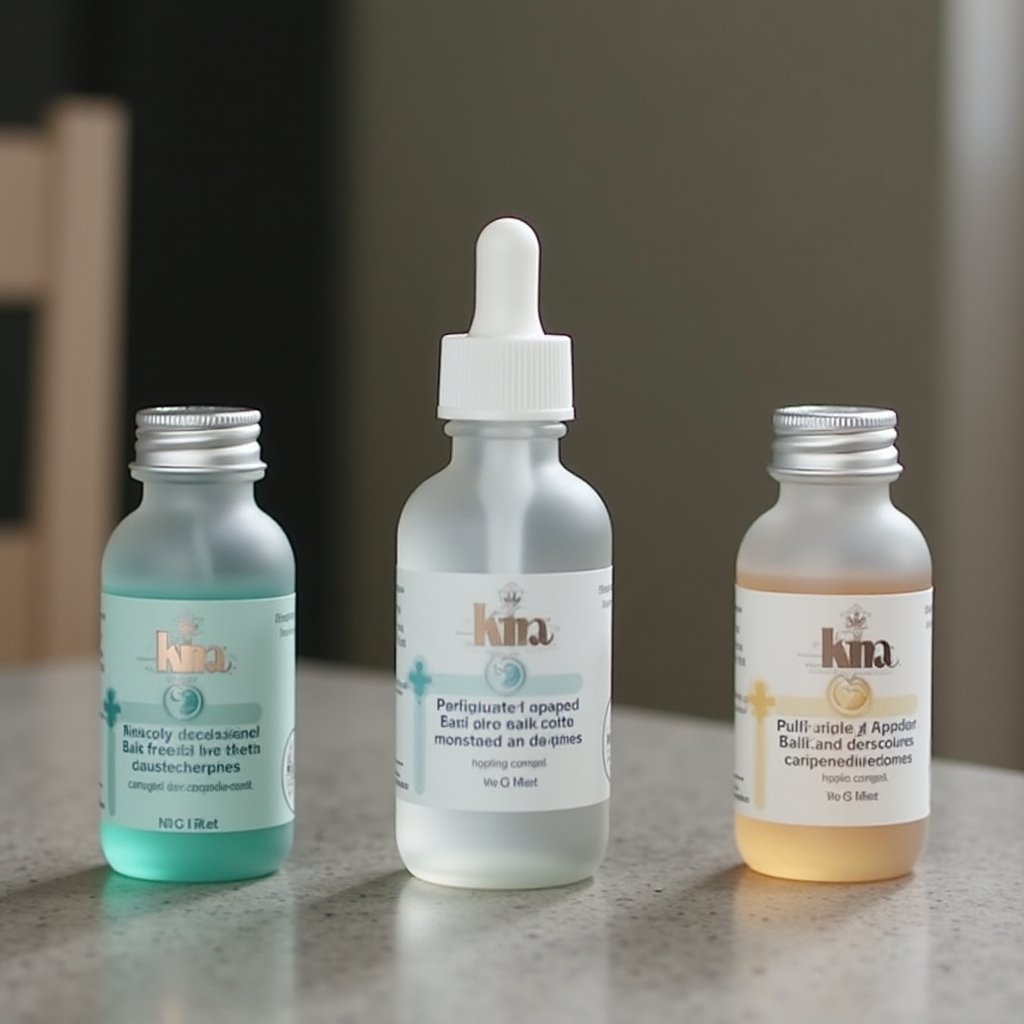
A dropper assembly consists of four critical components: the cap, the bulb, the pipette, and the tip. Each part must work in harmony with the formulation and the primary container.
The Cap: Security and Compliance
The cap (or closure) serves as the structural anchor. Most caps are manufactured from Polypropylene (PP) أو Urea. PP is durable and offers excellent chemical resistance, while Urea (a thermoset plastic) provides a high-gloss, premium feel and is often used in luxury cosmetics.
Beyond material, safety features are paramount. For products containing nicotine, high concentrations of essential oils, or cannabinoids, a Child Resistant Closure (CRC) is often a legal requirement. These require a “push-and-turn” motion to open. Additionally, Tamper Evident (TE) rings provide consumer confidence by showing visible proof that the bottle has not been opened since leaving the production line.
The Bulb: The Engine of Delivery
The bulb is the pump of the system. Its primary job is to create a vacuum to draw liquid into the pipette. A common technical error is undersizing the bulb. For optimal performance, the suction volume of the bulb must exceed the internal volume of the pipette. If the bulb is too small, the pipette will only fill halfway, leading to user frustration. The “squeeze-feel” (durometer) of the bulb also dictates the perceived quality of the product.
The Pipette: Glass vs. Plastic
The pipette is the tube that holds the liquid.
- Glass: Generally preferred for its inert nature. زجاج البورسليكات is the gold standard for pharmaceutical applications due to its resistance to thermal shock and chemical leaching. Soda-lime glass is a more cost-effective alternative for standard cosmetics. You can learn more about the chemical differences in our guide to glass vs plastic health truths.
- Plastic (LDPE/PP): These are shatterproof and lightweight, making them ideal for travel-sized products or “squeeze-to-dispense” applications where a rigid glass tube isn’t necessary.
The Tip Style: Controlling the Drop
The shape of the pipette tip determines how the liquid exits the tube.
- Straight Tip: The standard for most serums and oils.
- Bent-Tip: Often used in clinical or laboratory settings to reach the “corners” of a bottle.
- Ball-Tip (Bulb Tip): Designed for safety (to prevent accidental scratching of the skin) and to hold a slightly larger “bead” of product at the end, which is useful for thicker oils.
Section 2: Material Science – Matching Bulbs to Formulations
Chemical compatibility is the most common point of failure in dropper selection. If the bulb material is incompatible with the formulation, it may swell, become sticky, or “leach” chemicals into the product.
NBR (Nitrile Butadiene Rubber)
NBR is the industry workhorse for oil-based products. It possesses high resistance to fats, vegetable oils, and many essential oils. If you are launching a beard oil or a CBD tincture, NBR is likely your best choice. It maintains its shape and suction power even after prolonged exposure to lipids. When developing these products, it is helpful to review top essential oil packaging tips to ensure your brand remains premium.
Silicone
Silicone bulbs offer a premium, soft-touch feel and are available in a wide array of colors, including translucent options. They are highly resistant to heat and UV light. However, silicone is porous. Certain essential oils (like citrus or peppermint) can permeate silicone, causing the bulb to “bleed” or become tacky. Silicone is best reserved for water-based serums, glycerin-based products, and food-grade applications where oil content is minimal.
TPE (Thermoplastic Elastomer)
TPE is a modern, engineered alternative to traditional rubbers. It is 100% recyclable, making it a favorite for brands following packaging industry trends in the UK and globally. TPE offers a middle ground: it provides better oil resistance than silicone and a cleaner, more consistent aesthetic than NBR. It is also less likely to “cloud” over time.
Expert Insight: The “Clouding” Phenomenon
Have you ever noticed a white, powdery film on a rubber dropper bulb? This is called “blooming.” It occurs when certain compounding agents in the rubber migrate to the surface. To avoid this, always request “low-bloom” or medical-grade materials and conduct a 4-week stability test at elevated temperatures (40°C) to ensure the bulb and formulation are harmonized.
Section 3: The Comparison Matrix
This table provides a quick reference for technical directors and procurement managers to narrow down their material choices based on formulation needs.
| الميزة | NBR Rubber | Silicone | TPE (Thermoplastic) |
|---|---|---|---|
| Oil Resistance | Excellent | Poor to Fair | Good |
| Acid/Base Resistance | Fair | Excellent | Good |
| Heat Stability | Moderate | High | Moderate |
| Aesthetic Feel | Matte / Industrial | Premium / Soft-Touch | Variable / Smooth |
| Recyclability | No | No | Yes |
| Best Use Case | CBD, Beard Oils, Essential Oils | Hyaluronic Acid, Food Products | General Pharma, Eco-brands |
Section 4: Precision Sizing – The “Perfect Fit” Formula
A dropper that doesn’t fit the bottle is a recipe for leaks and consumer complaints. Sizing involves two distinct measurements: the neck finish and the pipette length.
Understanding Neck Finish (GPI/DIN)
The neck finish is expressed as two numbers separated by a slash (e.g., 18/400 or 20/410).
- The first number (e.g., 20): Refers to the diameter of the bottle neck in millimeters.
- The second number (e.g., 400): Refers to the thread style and how many times the thread wraps around the neck.
A 20/400 cap will not seal properly on a 20/410 bottle because the thread depths differ. Always verify the GPI or DIN standard with your bottle manufacturer before ordering your dropper assemblies.
Calculating Pipette Length: The Golden Rule
One of the most frequent complaints from end-users is the inability to reach the last 15% of the product. Conversely, a pipette that is too long will hit the bottom and shatter or prevent the cap from sealing.
The Formula: Measure the distance from the base of the cap (where it rests on the bottle rim) to the bottom of the bottle. Subtract 2mm to 3mm from this measurement. This creates a “float zone” that allows the liquid to flow into the tip without the glass touching the floor of the container.
Dosage Accuracy and Calibration
For wellness products like CBD or liquid vitamins, “a few drops” isn’t a precise enough measurement. In these cases, you must specify a calibrated pipette. These are silk-screened with measurements (e.g., 0.25ml, 0.5ml, 0.75ml, 1.0ml). When sourcing these, ensure the ink used is food-grade and has undergone “tape tests” to ensure it won’t peel off when exposed to the product’s oils.
Section 5: Viscosity and Flow Rate Optimization
The physics of the liquid—specifically its viscosity and surface tension—dictates the required orifice size of the pipette tip.
Thin Liquids (Water, Alcohol, Toners)
Low-viscosity liquids flow quickly. If the pipette orifice is too large, the product will “self-dispense” or drip before the user even squeezes the bulb. For these products, a small orifice (approx. 1.0mm to 1.5mm) is required to maintain control.
Thick Liquids (Glycerin, Castor Oil, Heavy Serums)
High-viscosity liquids require a larger orifice (2.0mm to 3.0mm) to allow the product to enter the tube. If the orifice is too narrow, the vacuum created by the bulb won’t be strong enough to pull the thick liquid through the opening, resulting in an air bubble or a failed draw.
The Surface Tension Factor
Some formulations have high surface tension, causing the liquid to “cling” to the outside of the glass pipette. This can be messy. In advanced packaging, certain glass coatings can be applied to create a hydrophobic surface, ensuring that every drop goes into the user’s hand rather than running down the side of the bottle. For brands looking for high-performance containers, exploring durable HDPE options or treated glass is a wise strategic move.
Value Add: The 5-Point Dropper Selection Checklist
Before finalizing your purchase order, run your selection through this professional checklist:
- [ ] Chemical Compatibility: