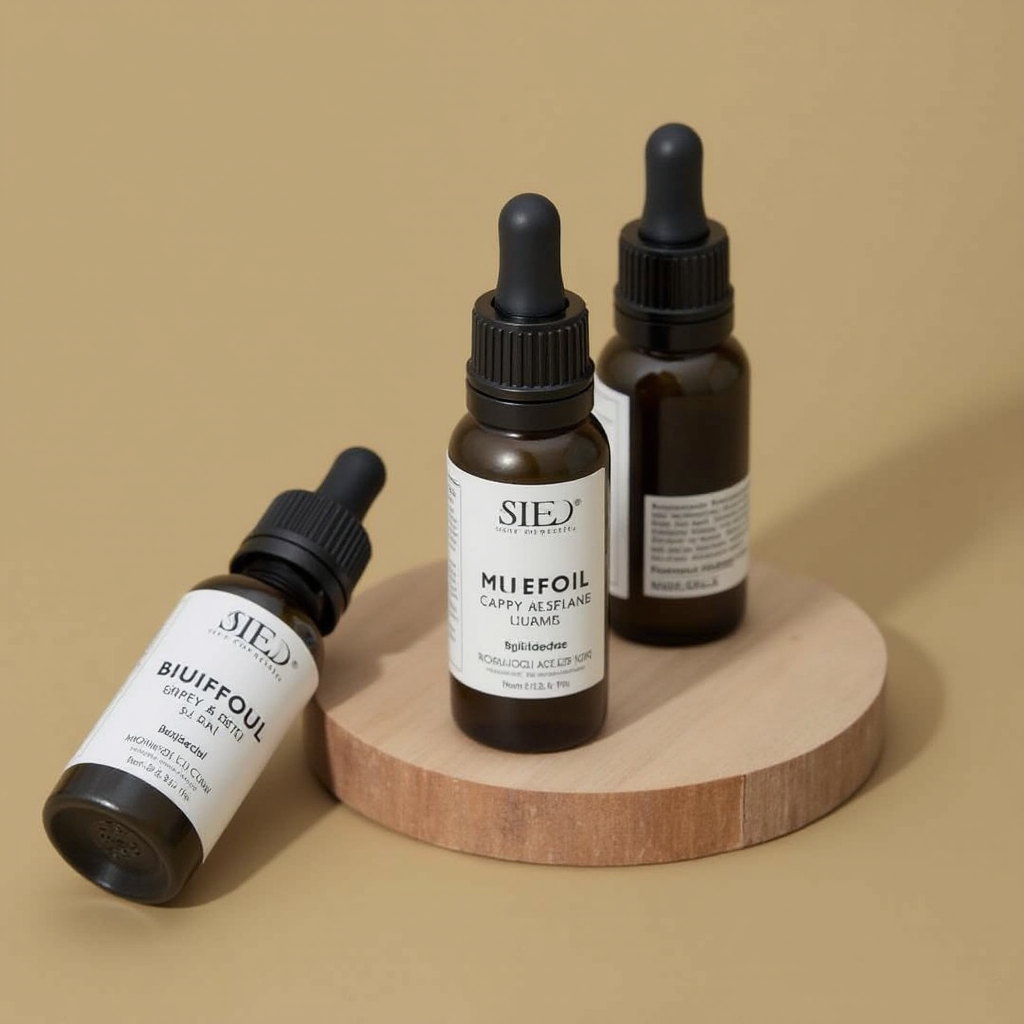
From Glow to Vitality: 7 Science-Backed Benefits of Oil for Your Body, Skin, and Mind
For decades, “oil” was a four-letter word in the wellness industry. Driven by the low-fat craze of the late 20th century, consumers were taught to fear lipids in their diets and avoid them in their skincare routines. Today, nutritional science and dermatological breakthroughs have flipped the script. Whether it’s the liquid gold of extra virgin olive oil or the restorative properties of Marula, oils are no longer just ingredients—they are essential bio-regulators.
The Verdict (Quick Answer): The primary benefits of oil lie in their high concentration of essential fatty acids (EFAs), fat-soluble vitamins (A, D, E, K), and antioxidants. When consumed, they support cardiovascular health and brain function; when applied topically, they reinforce the skin’s lipid barrier and prevent transepidermal water loss (TEWL).
Section 1: The Nutritional Powerhouse—Internal Health Benefits
The human body is essentially a machine that runs on fats. Every cell membrane in your body is composed of a lipid bilayer, meaning that without adequate oil intake, your cellular architecture literally begins to lose its integrity. However, not all oils are created equal. The health benefits are largely dictated by the ratio of monounsaturated fats (MUFAs) and polyunsaturated fats (PUFAs).
Heart Health & Triglycerides
High-quality oils, particularly those rich in oleic acid (like olive oil), have been shown to improve the lipid profile by lowering LDL (low-density lipoprotein) cholesterol while maintaining or even raising HDL (high-density lipoprotein) levels. This balance is critical for cardiovascular wellness. By reducing systemic inflammation and preventing the oxidation of cholesterol, these oils reduce the risk of plaque buildup in the arteries.
Cognitive Function
The brain is nearly 60% fat. Omega-3 and Omega-6 fatty acids are the building blocks of neuronal membranes and are essential for maintaining the “plasticity” of the brain. Regular consumption of oils rich in these EFAs supports memory, focus, and mood regulation. Research suggests that diets high in healthy lipids are a primary factor in preventing age-related cognitive decline and neurodegenerative conditions.
The “Absorption Bridge”: Nutrient Bioavailability
One of the most overlooked benefits of dietary oil is its role as a delivery vehicle. Vitamins A, D, E, and K are fat-soluble, meaning they cannot be absorbed by the small intestine or processed by the liver without the presence of dietary lipids. If you eat a salad full of leafy greens (Vitamin K) and carrots (Vitamin A) without an oil-based dressing, your body may excrete a significant portion of those nutrients. Oil acts as the “absorption bridge” that ensures these vitamins reach your bloodstream.
Section 2: Dermatological Excellence—The Skin’s Natural Ally
In the world of dermatology, oils are classified as emollients. Their primary function is to fill the microscopic gaps between skin cells, creating a smooth, supple surface. But their benefits go far deeper than just surface-level texture.
Repairing the Lipid Barrier
Your skin has a natural defense system known as the moisture barrier (or acid mantle). Environmental stressors like harsh soaps, pollution, and cold weather can strip away the natural sebum, leading to transepidermal water loss (TEWL). When TEWL occurs, skin becomes itchy, inflamed, and prone to premature aging. Topical oils mimic the skin’s natural sebum, reinforcing the lipid barrier and locking moisture into the dermis.
Anti-Aging & Antioxidant Protection
Many botanical oils are naturally packed with Vitamin E and polyphenols. These compounds act as biological shields, neutralizing free radicals generated by UV exposure and blue light. By preventing oxidative stress, oils help maintain the skin’s collagen and elastin levels, which directly translates to fewer fine lines and improved elasticity.
Debunking the Acne Myth: Comedogenic Ratings
The fear that oil causes acne is a persistent misconception. While heavy oils like cocoa butter or coconut oil can clog pores for some, many oils are non-comedogenic. For instance, Jojoba oil is technically a liquid wax ester that is molecularly similar to human sebum. When applied to oily skin, it can actually “trick” the skin into thinking it has produced enough oil, thereby regulating sebum production and reducing breakouts. Squalane, another lightweight lipid, is highly stable and excellent for acne-prone individuals because it provides hydration without congestion.
For those formulating their own skincare or purchasing high-end serums, the packaging is as important as the oil itself. To maintain the integrity of these sensitive lipids, manufacturers often use specific types of containers. To understand more about the materials that protect these oils, see our guide on Types of Glass Explained: What You Need to Know.
Section 3: Culinary Science—Cooking with Intent
In the kitchen, oil is more than a lubricant for your pans; it is a heat-transfer medium and a flavor carrier. However, the health benefits of culinary oils can be destroyed if they are handled incorrectly.
Smoke Point Safety
Every oil has a “smoke point”—the temperature at which the oil begins to burn and break down. When an oil passes its smoke point, it undergoes a chemical change called oxidation. This produces pro-inflammatory free radicals and acrolein, a compound that gives burnt food its acrid taste. For high-heat cooking like searing or frying, oils with high oxidative stability (like Avocado oil) are essential. Conversely, delicate oils like Flaxseed or Walnut should never be heated.
Cold-Pressed vs. Refined
The extraction process determines the nutrient density of the oil.
- Cold-Pressed: These oils are extracted using mechanical pressure at low temperatures. This preserves the polyphenols, flavors, and vitamins.
- Refined: These oils are often treated with heat or chemicals to increase their shelf life and smoke point. While they are more stable for frying, they lose much of their nutritional “soul.”
Section 4: Data Analysis—The Ultimate Oil Comparison Matrix
Choosing the right oil requires balancing nutritional profile with functional use. The table below breaks down the most common oils used in health and beauty today.
| Oil Type | Primary Fat Source | Smoke Point | Top Benefit | Best Use |
|---|---|---|---|---|
| Extra Virgin Olive | Monounsaturated | 375°F | Heart Health/Polyphenols | Salad dressings, light sautéing |
| Avocado Oil | Monounsaturated | 520°F | High-Heat Stability | Searing, roasting, frying |
| Coconut Oil | Lauric Acid (MCTs) | 350°F | Antimicrobial/Energy | Baking, topical hair mask |
| Argan Oil | Vitamin E/Sterols | N/A | Skin Elasticity | Topical serum, hair cuticle repair |
| Jojoba Oil | Wax Esters | N/A | Sebum Balancing | Face oil for oily/acne-prone skin |
Section 5: Hair & Scalp Restoration
The benefits of oil extend to the very tips of your hair. Hair is a non-living fiber, but its structural integrity depends heavily on its moisture-lipid balance.
Preventing Hygral Fatigue
When hair gets wet, the cortex swells; when it dries, it shrinks. This constant expansion and contraction is known as hygral fatigue, and it eventually leads to cracks in the hair cuticle and breakage. Applying a pre-wash oil treatment (like Coconut or Sunflower oil) creates a hydrophobic barrier that limits the amount of water the hair fiber absorbs, significantly increasing tensile strength.
The Scalp Microbiome
A healthy scalp is the foundation for hair growth. Oils with antimicrobial properties, such as Tea Tree or Rosemary oil (diluted in a carrier oil), can help manage dandruff and balance the scalp’s microbiome. By reducing inflammation at the follicular level, these oils create an environment conducive to healthy hair production.
When applying potent essential oils to the scalp or skin, precision is key. Many luxury hair and skin treatments utilize specialized dispensers to ensure the correct dosage. If you are looking for high-quality application tools, check out the 7 Best Wholesale Dropper Suppliers (2026 Review).
Value Add: The “Oil Aficionado’s” Checklist
Pro Tips for Sourcing & Storage:
- Check the Glass: Light is the enemy of oil. Always buy oils in dark amber or green glass bottles. Photo-oxidation can turn a healthy oil rancid in a matter of weeks if stored in clear plastic or glass.
- The “Harvest Date” Rule: For culinary oils, look for a harvest date on the label. Unlike wine, oil does not get better with age. Freshness equals potency.
- Storage Matters: Keep nut-based oils (like Walnut, Flax, or Pecan) in the refrigerator. Their high polyunsaturated fat content makes them extremely prone to rancidity at room temperature.
- The Patch Test: When using a new oil topically, always test a small area on the inner forearm for 24 hours to ensure you don’t have a botanical sensitivity.
FAQ: Real Questions, Expert Answers
Is it healthy to eat oil every day?
Yes, in moderation. The Mediterranean diet, arguably the world’s healthiest, is built on daily consumption of healthy fats. Focus on unsaturated fats (like those found in olive oil and avocados) to support hormone production, cellular repair, and brain health. The key is avoiding highly processed trans-fats and excessive omega-6 from industrial seed oils.
Can I use cooking oil on my face?
While some oils (like Grapeseed or Avocado) are technically safe, many culinary oils are not refined for cosmetic purity. Cooking oils may contain impurities or be processed in a way that makes them too heavy or comedogenic for facial skin. It is always better to use “cosmetic-grade” versions which are filtered for topical application.
What is the healthiest oil for high-heat cooking?
<
 English (United States)
  Spanish
  French
  German
  English (UK)
  Japanese
  Korean
  Russian
  Arabic