The Ultimate Guide to Sourcing Wholesale Droppers: Precision, Compliance, and Bulk Savings
In the world of high-value liquids—from potent tinctures and essential oils to luxury serums and pharmaceutical reagents—the delivery system is just as important as the formula itself. A faulty dropper does more than just waste expensive product; it erodes consumer trust and can compromise brand integrity. When a customer pays a premium for a 30ml bottle of hyaluronic acid or a CBD tincture, they expect a seamless, mess-free experience. If the bulb loses suction or the pipette cracks, the product is perceived as “cheap,” regardless of the quality of the liquid inside.
The Verdict (Quick Answer): When sourcing wholesale droppers, the “best” choice depends entirely on your product’s viscosity and chemical reactivity. For essential oils and pharmaceuticals, Type III Glass Pipettes with Child-Resistant (CRC) closures are the industry gold standard. To maximize ROI, prioritize suppliers offering tiered bulk pricing and ISO-certified manufacturing to ensure consistency across thousands of units. Consistency is the hallmark of a professional B2B relationship.
Section 1: Understanding Dropper Anatomy & Material Science
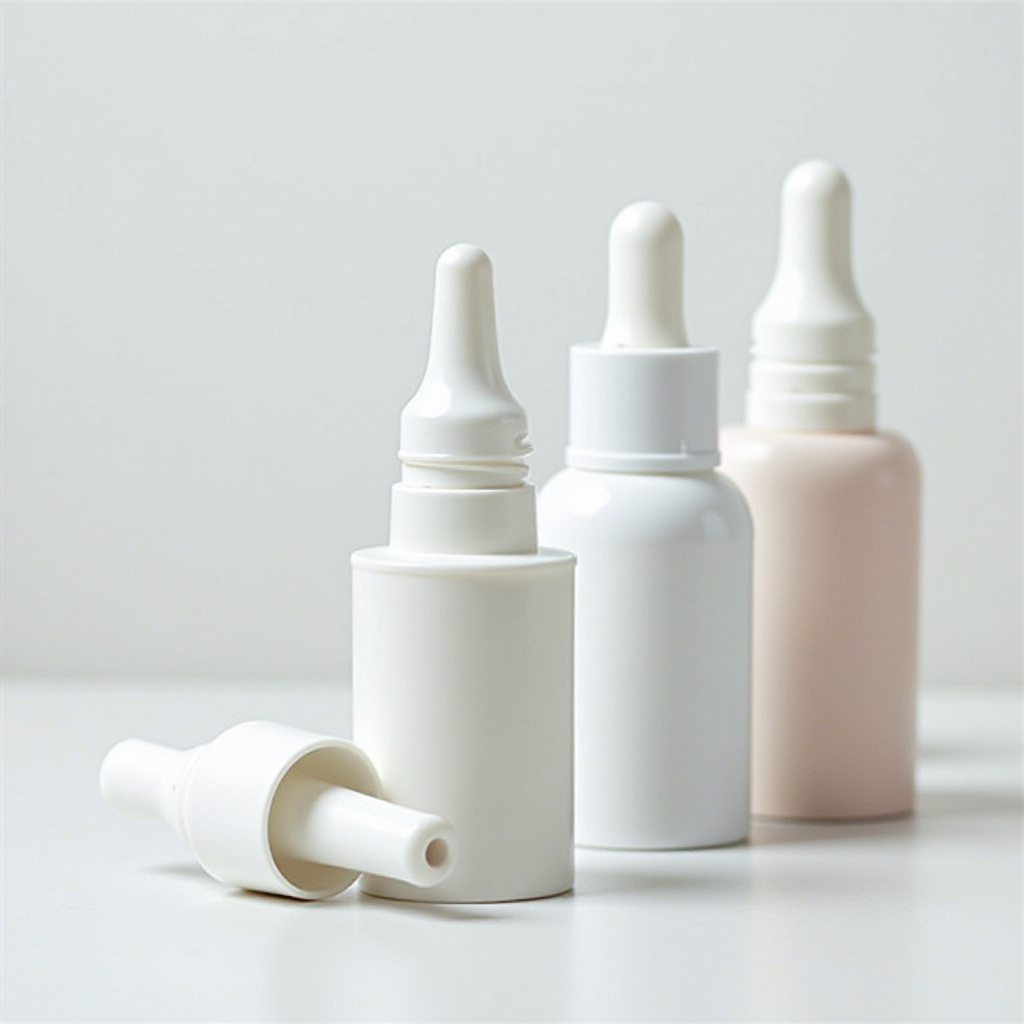
A dropper is not a single piece of equipment; it is a three-part assembly engineered to work in harmony. Understanding the science behind these components is the first step in making an informed wholesale purchase.
The Three-Part Assembly
- The Bulb: This is the engine of the dropper. It creates the vacuum necessary to draw liquid and provides the tactile feedback for dispensing. Common materials include Natural Rubber, Nitrile, and TPE (Thermoplastic Elastomer).
- The Cap: The cap secures the assembly to the bottle. It must provide a hermetic seal to prevent oxidation and leakage. Most wholesale caps are made from Polypropylene (PP) or Phenolic plastic.
- The Pipette: The tube through which the liquid travels. This is typically made of glass or plastic and comes in various lengths and tip styles.
Glass vs. Plastic Pipettes
Choosing the right material for your pipette is a decision that impacts both shelf-life and brand perception. For a deeper look at why glass is often the preferred choice in high-end packaging, see our review of the 8 Best Benefits of Glass (2026 Review).
Glass (Borosilicate/Soda-lime): Glass is the gold standard for a reason. It is chemically inert, meaning it won’t react with volatile compounds like essential oils or acidic serums. Borosilicate glass offers superior thermal shock resistance, while Soda-lime (Type III) is the standard for most commercial applications due to its clarity and durability.
Plastic (LDPE/PP): Plastic pipettes are the workhorses of the laboratory and industrial sectors. They are lightweight, shatterproof, and significantly cheaper in high-volume orders. They are ideal for disposable transfer tasks or products where premium aesthetics are secondary to cost-efficiency.
Bulb Material Compatibility
Not all bulbs are created equal. If you are bottling aggressive oils or solvents, a standard rubber bulb will eventually degrade, swell, or “leach” chemicals into your product. Nitrile bulbs are preferred for aggressive oils and aromatherapy products because of their high resistance to chemical breakdown. In contrast, Monoprene or Natural Rubber works exceptionally well for standard aqueous (water-based) solutions and most cosmetic serums.
Section 2: Technical Specifications: Neck Finishes and Calibrations
One of the most common mistakes in wholesale sourcing is ordering a dropper that doesn’t fit the bottle. In the packaging industry, we rely on standardized “Neck Finishes.”
Mastering the “Neck Finish”
The neck finish is expressed as two numbers: the diameter (in millimeters) and the thread style (GPI or SPI standards). Common sizes include:
- 18/415: Often used for tall, thin apothecary bottles.
- 20/400: The industry standard for 1oz (30ml) and 2oz (60ml) Boston Round bottles.
- 24/400: Used for larger bottles or wide-mouth containers.
Ensuring your wholesale dropper assembly matches your bottle’s GPI finish is non-negotiable. A 20/410 cap will not seal correctly on a 20/400 bottle, leading to leaks during transit.
Precision Dosing: The Rise of Calibrated Droppers
In the pharmaceutical and nutraceutical sectors, precision isn’t just a preference—it’s a requirement. Calibrated droppers feature printed measurement markings (e.g., 0.25ml, 0.5ml, 0.75ml, and 1.0ml) directly on the glass pipette. This allows the consumer to dose accurately, which is critical for CBD oils or liquid supplements. When sourcing these in bulk, ensure the ink used for calibration is “fired-on” or food-grade to prevent it from rubbing off or contaminating the liquid.
Tip Styles: Form Following Function
The tip of the pipette determines how the drop is formed and released.
- Straight Tip: The most versatile and common style.
- Bent Tip (Ball Tip): Often used in eye droppers or for reaching the very corners of a bottle.
- Blunt Tip: Ideal for high-viscosity liquids like heavy oils or gels, where a narrow opening might cause clogging.
Section 3: Industry-Specific Applications for Bulk Droppers
The requirements for a dropper change based on the industry it serves. A laboratory manager has very different priorities than a skincare brand founder.
Apothecary & Wellness
For those in the wellness space, UV protection is often a major concern. Light-sensitive essential oils can degrade rapidly when exposed to sunlight. Sourcing amber glass bottles with matching droppers is the standard solution. The dropper itself should be airtight to prevent the volatile aromatic compounds from evaporating.
Cosmetics & Skincare
In the “Indie Beauty” and luxury skincare markets, the dropper is a design element. We are seeing a massive shift toward Luxury Droppers. These often feature metallic overshells (gold, silver, rose gold) or push-button actuators instead of traditional squeeze bulbs. This provides a more “clinical” and high-end feel to the product application. If you are deciding between a dropper or a spray for your cosmetic line, consult our spray choose guide to see which dispensing method aligns better with your formula’s viscosity.
Laboratory & E-Liquid
In laboratory settings, the focus is on volume and disposability. LDPE transfer pipettes (often called Pasteur pipettes) are used for precision dispensing without the risk of cross-contamination. In the e-liquid industry, the focus is on Child-Resistant and Tamper-Evident (CRTE) features, ensuring the product is safe from accidental ingestion by children while proving to the customer that the bottle has not been opened since it left the factory.
Section 4: Data Analysis: Standard vs. Premium Wholesale Droppers
When evaluating suppliers, it helps to look at the hard data. Below is a comparative breakdown of performance metrics and cost-benefit analysis for the three most common types of wholesale droppers.
| Feature | Standard Glass Dropper | Calibrated Precision Dropper | Plastic Transfer Pipette |
|---|---|---|---|
| Material Cost | Low ($0.08 – $0.15/unit) | Medium ($0.18 – $0.30/unit) | Very Low ($0.02 – $0.05/unit) |
| Dosing Accuracy | Variable (User dependent) | High (Marked increments) | Moderate |
| Chemical Resistance | High | High | Low to Moderate |
| Best Use Case | Mass-market tinctures | Medical/CBD/High-end Serums | Lab sampling/Single-use |
| Sustainability | High (Reusable) | High (Reusable) | Low (Single-use) |
| Customization | Bulb/Cap color only | Full calibration & branding | Limited |
Section 5: Compliance and Safety Standards (E-E-A-T Focus)
In the B2B space, compliance is not optional; it is a legal safeguard. If you are selling products intended for human consumption or topical application, your packaging must meet specific safety standards.
Child-Resistant Closures (CRC)
For industries like CBD, THC, and nicotine, CRC is mandated by law in many jurisdictions (such as CFR Title 16, Part 1700 in the United States). A CRC dropper requires a “push-down and turn” motion to open. This prevents accidental ingestion by children. When sourcing wholesale, always ask for the ISO 8317 or 16 CFR 1700.20 certification documents. Without these, you could face massive recalls or legal liabilities.
Tamper-Evident (TE) Features
A tamper-evident dropper features a plastic ring that breaks away from the cap when first opened. This provides the end-consumer with visual proof that the product is fresh and has not been tampered with. This is particularly important for products sold in retail environments where “shelf-tampering” is a risk.
BPA-Free & Food Grade Certifications
Your wholesale partner must be able to provide Certificates of Analysis (COAs) and FDA compliance documentation. This ensures that the plastics and rubbers used in the dropper assembly do not contain harmful chemicals like Bisphenol A (BPA) or phthalates, which can leach into your product over time.
“Quality assurance in packaging is the silent guardian of the brand. A single failed batch of droppers can cost a manufacturer ten times more in returns and reputation damage