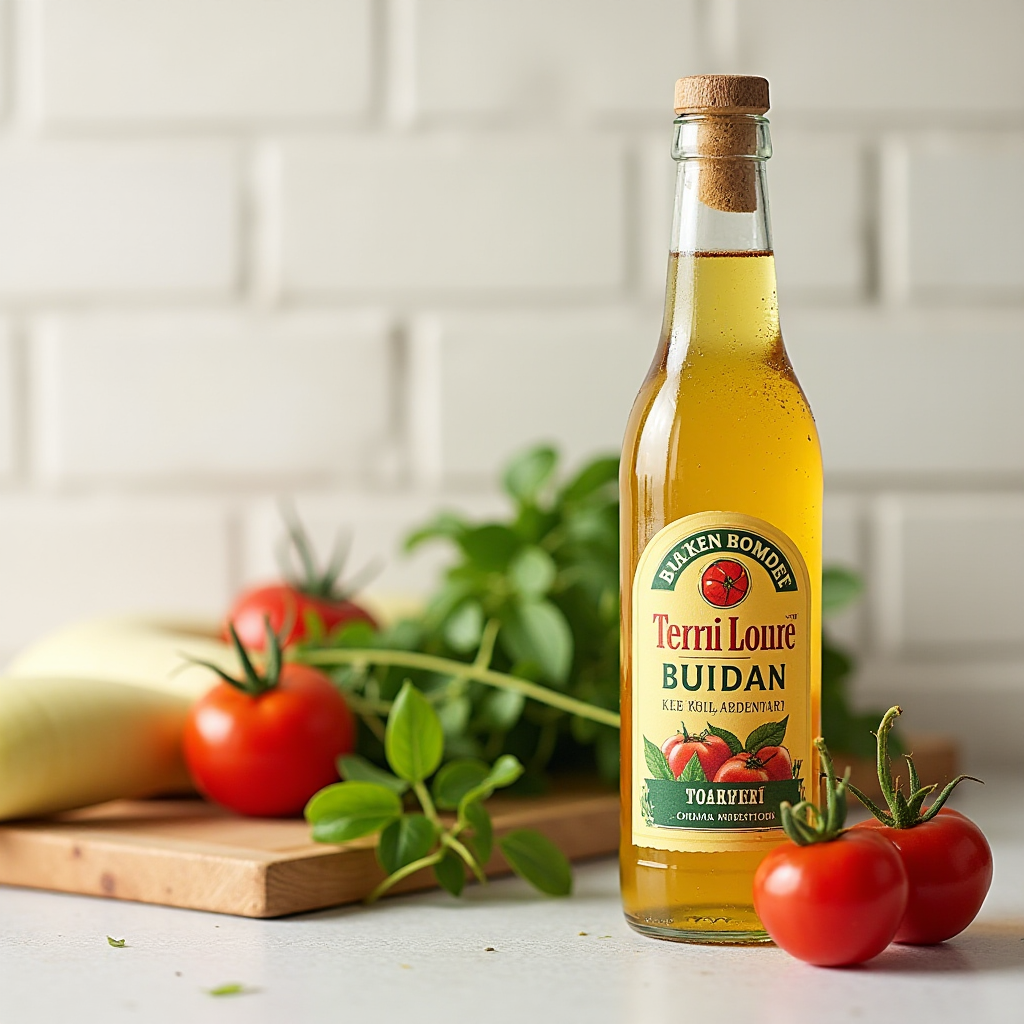
Why It’s the Gold Standard: 10 Science-Backed Benefits of the Mediterranean Diet
1. Introduction: The Longevity Secret of the “Blue Zones”
In the sun-drenched coastal villages of Ikaria, Greece, and the rugged highlands of Sardinia, Italy, reaching the age of 100 is not a statistical anomaly—it is a common occurrence. These regions, famously known as “Blue Zones,” have long perplexed researchers. Why do these populations enjoy such profound longevity, remaining active and cognitively sharp well into their tenth decade? The answer, according to decades of nutritional epidemiology, is not found in a pill or a specific gene, but on the dinner plate.
The Mediterranean diet is more than a restrictive list of “allowed” foods; it is a nutritional blueprint that has survived centuries of modernization. Unlike the fleeting popularity of keto or paleo, the Mediterranean eating pattern is backed by thousands of peer-reviewed studies. The verdict is clear: It is the world’s most effective strategy for disease prevention. Adopting this lifestyle leads to a 30% reduction in major cardiovascular events, provides a shield against cognitive decline, and offers a sustainable path to weight management by focusing on nutrient density over calorie deprivation.
2. Cardiovascular Excellence: The Heart-Health Powerhouse
Heart disease remains the leading cause of mortality globally, yet in regions where the Mediterranean diet is the norm, these rates are significantly lower. The primary driver of this cardiovascular protection is the heavy reliance on monounsaturated fats, specifically Extra Virgin Olive Oil (EVOO), and Omega-3 fatty acids from fatty fish.
The landmark PREDIMED study, published in The New England Journal of Medicine, demonstrated that individuals at high cardiovascular risk who followed a Mediterranean diet supplemented with EVOO or nuts had a significantly lower risk of stroke and heart attack. This is largely due to the diet’s effect on the HDL/LDL balance. While it lowers “bad” LDL cholesterol, it simultaneously improves the function of “good” HDL cholesterol, which clears plaque from the arteries.
Beyond cholesterol, the diet addresses arterial inflammation. The high concentration of polyphenols in olive oil and fresh produce protects the endothelium—the thin membrane lining the inside of the heart and blood vessels. When the endothelium is healthy, blood pressure is naturally regulated, and the risk of hypertension management becomes significantly easier to handle.
“The Mediterranean diet is not just a diet; it is a comprehensive strategy for vascular health that addresses the root causes of systemic inflammation.” — Journal of the American College of Cardiology
3. Cognitive Longevity: Shielding the Brain from Decline
As our global population ages, cognitive resilience has become a primary health concern. The Mediterranean diet serves as a form of neuroprotection, preserving brain volume and connectivity. The brain is highly susceptible to oxidative stress due to its high oxygen consumption and lipid content. The antioxidants found in abundance in the Mediterranean diet—such as Vitamin E from nuts and Vitamin C from citrus—neutralize free radicals before they can damage neural pathways.
Research indicates a strong correlation between this eating pattern and a reduced risk of Alzheimer’s disease and vascular dementia. One key mechanism is the diet’s ability to increase levels of brain-derived neurotrophic factor (BDNF), a protein that acts like “fertilizer” for neurons, encouraging the growth of new brain cells and strengthening existing synapses. By maintaining a steady supply of complex nutrients, the diet helps clear “brain fog” and supports long-term mental clarity.
4. Metabolic Health & Glycemic Control
The rise of Type 2 Diabetes is closely linked to the consumption of ultra-processed carbohydrates that cause rapid insulin spikes. The Mediterranean diet counters this through its emphasis on complex carbohydrates and high fiber content. Legumes, whole grains, and starchy vegetables contain fiber that slows the absorption of sugar into the bloodstream.
This stabilization of the glycemic index improves insulin sensitivity, meaning the body’s cells can use glucose more effectively. For those already diagnosed with metabolic syndrome, shifting to this pattern can often reduce the need for medication by naturally lowering HbA1c levels. The synergy of fiber, healthy fats, and lean protein ensures that energy levels remain consistent throughout the day, preventing the “crashes” associated with the modern Western diet.
5. Data Analysis: Mediterranean Diet vs. The Western Diet (SAD)
To understand why the Mediterranean diet is superior, we must compare it against the Standard American Diet (SAD), which is characterized by high intake of red meat, pre-packaged foods, and added sugars.
| Metric | Mediterranean Diet | Western Diet (SAD) |
|---|---|---|
| Nutrient Density | High (Rich in micronutrients/antioxidants) | Low (Calorie-dense, nutrient-poor) |
| Inflammatory Markers | Low (Reduced C-reactive protein) | High (Systemic inflammation) |
| Sustainability | High (Based on lifestyle/enjoyment) | Low (Driven by cravings/convenience) |
| Heart Disease Risk | 30% Lower | 40% Higher |
| Primary Fat Source | Monounsaturated (EVOO) | Saturated & Trans Fats |
The data reveals that “dieting” in the traditional sense often fails because it focuses on restriction. The Mediterranean “pattern” succeeds because it is an additive approach. It replaces inflammatory triggers with protective agents, leading to high long-term adherence rates that restrictive diets cannot match.
6. Inflammation & Gut Microbiome Optimization
Modern science now views the gut as the “second brain.” The Mediterranean diet is essentially a feast for the gut microbiome. By consuming a diverse array of plant fibers (prebiotics) and fermented dairy like yogurt or kefir (probiotics), you foster a diverse microbial ecosystem. These bacteria produce short-chain fatty acids (SCFAs) like butyrate, which have potent anti-inflammatory effects throughout the body.
Reducing systemic inflammation—measured by C-reactive protein (CRP) levels—has visible benefits. It often leads to clearer skin, reduced joint pain, and improved digestive comfort. When the gut is in balance, the immune system is more robust, and the body is better equipped to fight off pathogens and repair cellular damage.
For those looking for precision in their kitchen, understanding how spray technology works can help in applying thin, even layers of high-quality oil to vegetables, ensuring you get the benefits of EVOO without over-saturating the dish.
7. Value Add: The 7-Day “Med-Style” Transition Checklist
Transitioning to this lifestyle doesn’t require an overnight overhaul. Use this checklist to phase in the Mediterranean principles over the next week:
- [ ] Swap the Fats: Completely replace butter and margarine with Extra Virgin Olive Oil for cooking and dressing.
- [ ] Protein Pivot: Treat red meat as a “side dish” or a monthly treat; make legumes (lentils, chickpeas) the star of your plate at least 3 times a week.
- [ ] The Leafy Green Rule: Ensure at least 50% of your lunch and dinner plates consist of colorful, non-starchy vegetables.
- [ ] Snack Smarter: Discard processed crackers and chips. Replace them with a handful of raw walnuts, almonds, or a piece of seasonal fruit.
- [ ] Hydration over Sugar: Eliminate sodas and sweetened juices. Prioritize water and herbal teas. When choosing how to store your water, consider the material; our deep dive into glass vs plastic water bottles highlights the importance of purity in your daily hydration.
- [ ] Whole Grain Switch: Replace white bread and pasta with farro, quinoa, or 100% whole-wheat alternatives.
- [ ] The Salt Substitute: Use herbs (oregano, rosemary, thyme) and lemon juice to flavor food instead of heavy salt.
8. Pro Tips for Maximum ROI (E-E-A-T Section)
To truly reap the rewards of this diet, quality and context matter as much as the food itself. Here is how to maximize your nutritional return on investment (ROI):
Sourcing Matters: The EVOO Quality Test
Not all olive oils are created equal. To ensure high polyphenol content, look for “First Cold Pressed” on the label. High-quality oil should have a slight peppery sting at the back of the throat—this is a sign of oleocanthal, a powerful anti-inflammatory compound. Avoid “light” olive oils, which are often chemically refined and stripped of their health benefits.
The Social Component: Cortisol and Connection
In Mediterranean cultures, eating is a slow, social ritual. This is not a trivial detail. Eating in a relaxed, communal environment reduces cortisol levels (the stress hormone). High cortisol can inhibit digestion and promote fat storage around the midsection. By slowing down and enjoying meals with others, you improve nutrient absorption and psychological well-being.
Seasonality and Micronutrient Density
Eating seasonally isn’t just a culinary preference; it’s a nutritional strategy. Produce that is harvested at peak ripeness and consumed shortly after contains the highest concentration of vitamins and minerals. Out-of-season produce often travels thousands of miles, losing its micronutrient density along the way. Visit local farmers’ markets to align your diet with the natural growing cycle.
9. FAQ: Real Questions from the Community
Can you lose weight on the Mediterranean diet?
Yes. While the diet is high in fats, they are healthy fats that promote satiety. Unlike low-fat diets that leave you feeling hungry, the Mediterranean pattern focuses on nutrient density. Most people find they naturally consume fewer calories because the high fiber and protein content keep them full for longer. It is a sustainable approach to weight loss rather than a “crash” fix.
Is the Mediterranean diet expensive?
This is a common misconception. While fresh seafood and high-end olive oil can be pricey, the “staples” of the diet—dried beans, lentils, whole grains, and seasonal vegetables—are some of the most affordable foods in the grocery store. Buying in bulk and focusing on plant-based proteins can actually lower your monthly grocery bill compared to a diet heavy in processed meats and convenience foods.