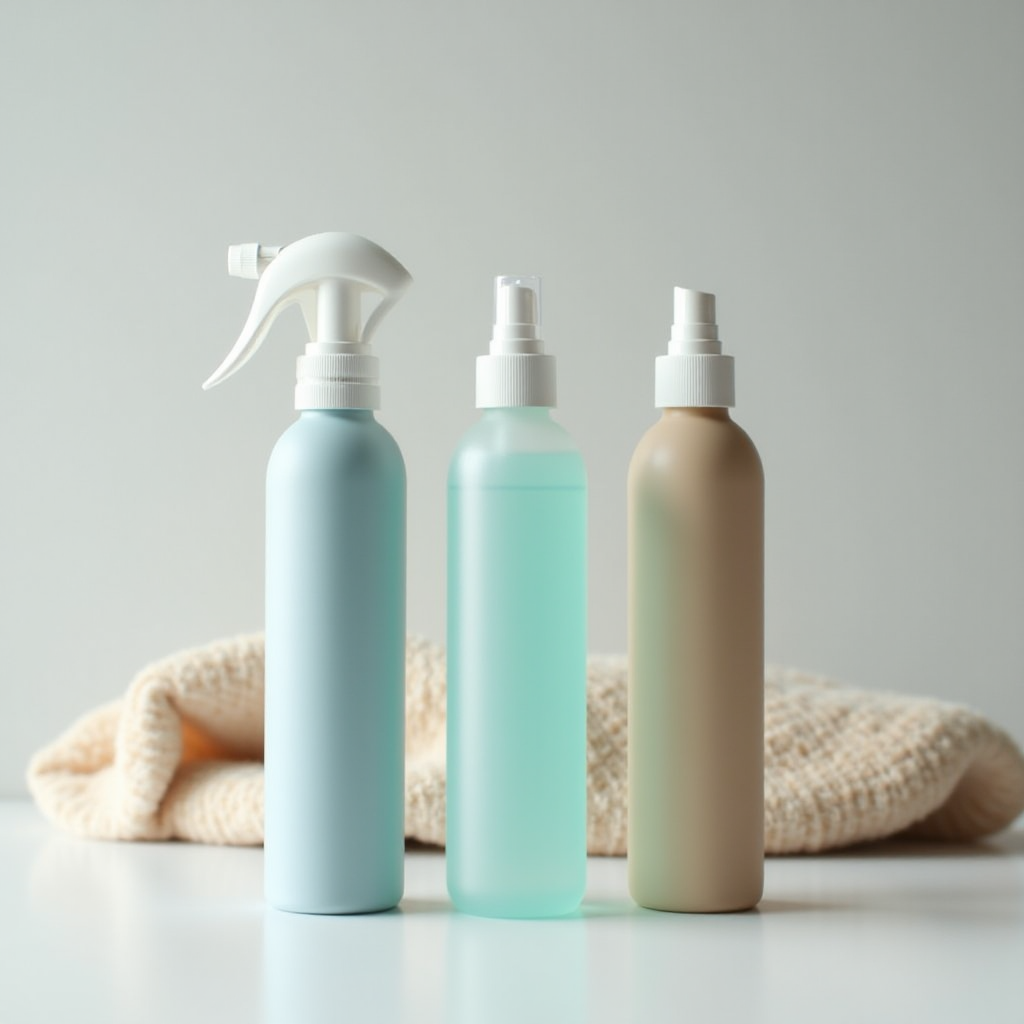
Maximum Coverage, Minimum Effort: The Definitive Guide to the Benefits of Spray Technology
In the modern industrial and home improvement sectors, the phrase “time is money” has transitioned from a cliché into a rigid operational mandate. As labor costs rise and project timelines shrink, the methods we use to apply coatings, chemicals, and nutrients are under intense scrutiny. Traditional application methods—the humble brush, the reliable roller, or the manual spreader—are increasingly viewed as bottlenecks in an otherwise streamlined workflow. Whether you are a professional contractor managing a 50-man crew, a DIY enthusiast tackling a weekend renovation, or an industrial manager overseeing a production line, the method of delivery is just as critical as the product itself.
Вердикт: The primary benefits of spray application center on a 50-70% reduction in labor time, a level of surface uniformity that manual tools cannot replicate, and the unique ability to coat complex geometries. For anyone seeking a professional-grade finish combined with optimized material usage, spray technology is no longer an alternative—it is the gold standard. To understand the foundational mechanics behind these systems, you can explore our detailed breakdown in Спрей с объяснениями: Что нужно знать.
Section 1: Precision Atomization and Surface Uniformity
The core advantage of spray technology lies in the physics of atomization. Unlike a brush, which drags material across a surface, or a roller, which “stipples” it on, a sprayer breaks liquid down into fine droplets. This process, known as atomization, creates a seamless “film” rather than a series of layered coats.
The Science of the Spray
When a liquid is forced through a specialized nozzle under pressure—or combined with high-velocity air—it overcomes its own surface tension. This results in millions of tiny droplets, often measured in microns, traveling toward the target. Because these droplets are so fine, they settle onto the substrate and flow together (a process called “leveling”) to create a perfectly flat surface. This eliminates the “lap marks” and brush strokes that plague manual applications.
Consistency and Substrate Penetration
Consistency is the hallmark of a professional finish. In manual application, the amount of pressure applied by the human hand varies with fatigue, leading to thick and thin spots. Spray systems provide a constant flow rate, ensuring the “mil thickness” (the thickness of the dry film) is identical across the entire project. Furthermore, high-pressure spray systems—particularly airless models—force the material into the microscopic pores of the substrate. Whether it is the grain of a hardwood deck, the pitted surface of industrial steel, or the varied texture of soil, spray application ensures superior adhesion and longevity by creating a mechanical bond that manual wiping or brushing often misses.
Section 2: Unmatched Speed and Labor Efficiency
If you evaluate a project based on the “square footage per hour” metric, manual methods simply cannot compete. The efficiency gains provided by spray technology are the primary driver of its adoption in commercial sectors.
The “Square Footage” Advantage
Consider a standard 1,000-square-foot exterior wall. A professional with a brush and roller might spend four to six hours achieving a two-coat finish, accounting for the time spent dipping the tool and reloading material. An airless sprayer can cover that same area in under 20 minutes. This 50-70% reduction in labor time allows contractors to bid more competitively or complete more jobs in a single season, directly impacting the bottom line.
Reduced Physical Strain and Ergonomics
Manual painting or spreading is physically demanding. The repetitive motion of rolling overhead or bending to reach low spots leads to operator fatigue, which inevitably results in errors and slowed production toward the end of a shift. Spraying allows the operator to maintain a neutral posture. The weight is held in the hand, and the coverage is achieved through a sweeping motion of the arm, significantly reducing the risk of repetitive strain injuries and keeping the quality of work consistent from the first hour to the eighth.
Rapid Drying and Recoat Windows
Because sprayers apply a fine mist, the “flash-off” or evaporation of solvents and water happens more uniformly. This often leads to faster drying times compared to thick, uneven layers applied by a roller. When the first coat dries faster and more evenly, the window for the second coat opens sooner, allowing for “wet-on-wet” or rapid-succession applications that can cut total project duration by half.
Section 3: Material Optimization and Transfer Efficiency
There is a common misconception that spraying is wasteful. While “overspray” is a factor that must be managed, modern technology has turned spray application into a highly efficient method of material management.
The Myth of Waste vs. Transfer Efficiency
Transfer efficiency refers to the percentage of the material that actually hits and stays on the target surface. While an old-fashioned compressed air gun might have a transfer efficiency of only 30-40%, modern High-Volume Low-Pressure (HVLP) systems can reach 65-90%. By using high volumes of air at low pressure, these systems “carry” the droplets to the surface without the violent turbulence that causes material to bounce off and float away as wasted mist.
Controlled Thickness and Calibration
Precision nozzles allow users to calibrate exactly how much material is being dispensed. In industrial settings, where coatings can cost hundreds of dollars per gallon, preventing “over-application” is vital. If a specification calls for 3 mils of thickness, a calibrated spray system can hit that target within a fraction of a percent. Manual application almost always results in over-application in some areas to compensate for under-application in others, leading to significant material waste over large surface areas.
“The transition from manual rolling to airless spray systems isn’t just about speed; it’s about the technical integrity of the coating. A uniform film build is the difference between a coating that lasts five years and one that fails in eighteen months.”
Section 4: Versatility Across Industries
The benefits of spray are not limited to the paint industry. This technology is a “multi-tool” utilized across diverse sectors to achieve results that were previously impossible.
- Industrial and Automotive: Achieving a “factory finish” on a vehicle or a piece of heavy machinery requires a level of smoothness that only atomized spray can provide. In these sectors, even a single dust mote or brush hair can lead to mechanical failure or aesthetic rejection.
- Construction and Home Improvement: Beyond paint, spray technology is the primary delivery method for high-performance insulation. For instance, the benefits of spray foam include superior R-values and air sealing that traditional fiberglass batts cannot match because the liquid foam expands into every crevice before curing.
- Agriculture: Modern farming relies on precision nozzle technology to deliver nutrients and pest management solutions. By controlling droplet size, farmers can ensure that chemicals stick to the leaves (foliar application) rather than drifting into the wind or running off into the groundwater, maximizing crop yield while minimizing environmental impact.
Section 5: Data Analysis – Spray vs. Traditional Methods
To truly visualize the ROI of adopting spray technology, we must look at the technical and economic metrics side-by-side. The following table compares a standard architectural coating project using professional-grade equipment versus traditional manual tools.
| Характеристика | Spray Application (HVLP/Airless) | Brush & Roller / Manual |
|---|---|---|
| Speed (per 100 sq ft) | 2–5 Minutes | 15–25 Minutes |
| Finish Quality | Ultra-Smooth / Mirror-like | Visible Texture / Brush Strokes |
| Accessibility | High (reaches nooks, crannies, lattice) | Low (limited to flat, open surfaces) |
| Material Usage | Highly Calibrated / Precise | Variable / Often Over-applied |
| Initial Setup Cost | Moderate to High ($300 – $5,000+) | Low ($20 – $100) |
| Long-term ROI | High (Significant Labor Savings) | Low (High Ongoing Labor Costs) |
| Cleanup Time | 15–30 Minutes (System Flush) | 10–15 Minutes (Tool Wash) |
Value Add: The “Pro-Spray” Checklist for Success
While the benefits are clear, the success of a spray application depends on preparation and technique. Before you pull the trigger, ensure these five factors are met to maximize your results:
- Viscosity Check: Every spray tip is designed for a specific thickness of liquid. Use a viscosity cup to ensure the material is thinned to the manufacturer’s specifications. If the liquid is too thick, the sprayer will “spit”; if it is too thin, it will run.
- Environmental Control: Physics dictates that fine droplets are susceptible to the environment. Avoid spraying outdoors if wind speeds exceed 10-15 mph to prevent overspray drift. Indoors, monitor humidity; high humidity can prevent the atomized mist from “flashing off” correctly, leading to sags.
- The “50% Overlap” Rule: To ensure a uniform film without “holidays” (missed spots), aim the center of your spray pattern at the edge of the previous pass. This 50% overlap creates a double-layer that levels out into a single, perfectly even coat.
- Nozzle Maintenance: The nozzle is the heart of the system. Even a tiny amount of dried material can cause “fingering”—a distorted spray pattern with heavy edges. Clean your tips immediately after use and store them in a specialized cleaning solution.
- Safety First: Atomization creates breathable particles. Regardless of whether the material is water-based or solvent-based, always use a NIOSH-approved respirator, eye protection, and gloves.
FAQ: Real-World Questions on Spray Benefits
Q: Does spraying use more paint or material than rolling?
A: This is a nuanced issue. While spraying can result in some overspray (material that doesn’t hit the target), modern systems are designed for high transfer efficiency. In many cases, the material saved by avoiding the thick, heavy layers common with rollers actually offsets the loss from overspray. For large-scale projects, the material usage is often nearly identical, but the spray finish is thinner and more durable.
Q: Is the investment in equipment worth it for a one-time project?
A: For a single room or a small piece of furniture, a high-end sprayer might not offer an immediate ROI. However, for any project exceeding 500 square feet—such as a whole-house interior, a large deck, or a warehouse floor—the savings in man-hours usually pays for the equipment in a single use. Additionally, the quality of the finish adds value to the property or product that manual methods cannot match.
Q: Can any liquid be sprayed?
A: Most liquids can be atomized, but the equipment must match the viscosity. Heavy elastomeric coatings or block fillers require high-horsepower airless sprayers with large tips. Thin stains, lacquers, or automotive basecoats are
 English (United States)
  Spanish
  French
  German
  English (UK)
  Japanese
  Korean
  Russian
  Arabic