Plastic Foam Bottle Material: Supplier Evaluation and Buying
Global procurement data indicates that 85% of foam pump failures are not caused by the pump mechanism itself, but by improper plastic foam bottle material selection and neck finish inconsistencies. In the cosmetic and personal care industry, where the foam bottle market is projected to maintain a 5.2% CAGR through 2030, the difference between a successful product launch and a costly recall often hinges on a 0.5mm variance in wall thickness or a chemical incompatibility between the liquid formula and the PET resin. For procurement officers, the challenge is balancing a typical 15-25% cost increase for high-clarity virgin PET against the 30% higher failure rate associated with low-grade recycled resins in precision foamer applications.
| Material Metric | Virgin PET (Standard) | rPET (Recycled) | HDPE (Opaque) |
|---|---|---|---|
| Clarity Rating | 98% (High) | 82-88% (Slight Tint) | 0% (Opaque) |
| 내화학성 | High (Essential Oils) | 보통 | Very High (Acids/Bases) |
| Oxygen Barrier | 0.04 (cc/m²/day) | 0.06 (cc/m²/day) | 2.50 (cc/m²/day) |
| MOQ Threshold | 1,000 – 5,000 pcs | 10,000+ pcs | 5,000+ pcs |
구매자가 폼병 후보를 선정하는 방법
선택 시 거품 병 options for commercial distribution, the decision-making process must move beyond aesthetic appeal to technical validation. A buyer’s shortlist should be categorized by the “Three Pillars of Foamer Integrity”: formulation viscosity, neck finish precision, and pump output volume. Before requesting a quote, procurement teams must verify that their liquid formula has a viscosity similar to water (typically below 100 cps). If the formula contains suspended particles or high oil concentrations, standard foamers will fail within 50-100 actuations due to mesh clogging.
The primary shortlisting criteria for a high-performance 거품 병 include:
- Neck Finish Standards: Most industrial foam pumps utilize a 30mm, 40mm, or 42mm neck. Ensuring the bottle’s T-dimension and E-dimension tolerances are within ±0.15mm is critical to prevent air leakage, which destroys foam quality.
- Internal vs. External Springs: For organic or “clean beauty” brands, shortlisting bottles that pair with external spring pumps is vital. This prevents the liquid from touching the metal spring, eliminating the risk of oxidation and discoloration.
- Dosing Requirements: Standard pumps offer 0.4cc, 0.8cc, or 1.5cc per stroke. A 100ml bottle used for hand sanitizer requires a different dosing profile than a 30ml travel-sized facial cleanser.
Buyers must confirm these specs during the initial RFQ (Request for Quote) phase. A common red flag is a supplier who cannot provide a technical drawing (PDF or CAD) of the neck finish. Without this, the risk of “leaking under vacuum” during air transport increases by nearly 40%.
전문가 팁: Always request a “Compatibility Test Report” from the supplier. This involves placing your formulation in the plastic foam bottle material selection of your choice and subjecting it to 45°C for 4 weeks to simulate one year of shelf life.
폼 병의 MOQ, 리드 타임 및 샘플 체크 포인트
The logistics of sourcing foam bottle options vary significantly between stock-ready items and custom-molded solutions. In the current market, lead times for custom-colored PET foamers have stabilized at 25-35 days, while stock white or clear options can ship within 72 hours. However, the “true cost” of a bottle is often hidden in the shipping volume; because foam bottles are lightweight but bulky, shipping costs can account for up to 45% of the total landed cost per unit.
The MOQ/Customization Trade-off
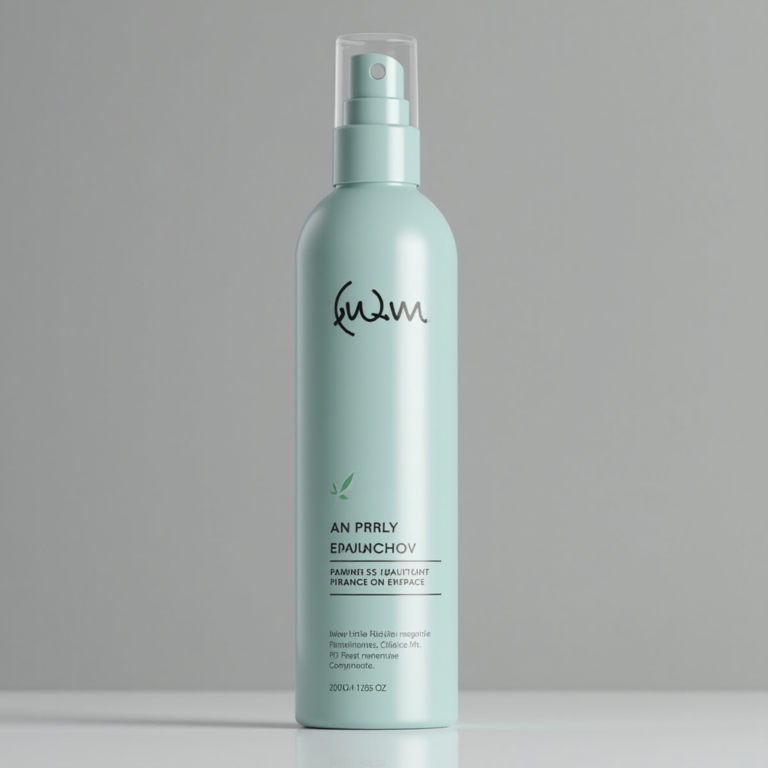
For emerging brands, starting with a 30ml 60ml 100ml 흰색 펌프 흰색 뚜껑 플라스틱 거품 병 빈 샴푸 용기 is the most cost-effective path. These stock items typically have an MOQ as low as 1,000 units. Customization, such as UV metalized pumps or custom-colored resins, usually triggers an MOQ of 10,000 to 20,000 units to offset the cost of machine purging and color matching.
Sample Checkpoints for Quality Assurance
Before committing to a bulk order, procurement should run a 5-point sample audit:
- 작동력: Does the pump require more than 5lbs of pressure? High resistance leads to poor user experience.
- Prime Count: A quality foamer should prime (produce foam) within 3 to 6 strokes.
- Dip Tube Length: Ensure the dip tube is “bottom-clearing” with a V-cut or side-cut to prevent suction seal against the bottle floor.
- 폐쇄 토크: Test the force required to strip the threads. For 40mm necks, this should exceed 12 inch-pounds.
- Decoration Adhesion: If the bottle is pre-printed, perform a “Tape Test” (ASTM D3359) to ensure the ink does not peel from the PET surface.
Specification and sourcing trade-offs for plastic foam bottle material selection
In plastic foam bottle material selection, every choice involves a trade-off between aesthetics, durability, and cost. PET (Polyethylene Terephthalate) is the industry standard for foamers because its molecular structure provides the rigidity necessary to withstand the vacuum pressure created by the pump’s return stroke. If a material is too soft, like certain LDPE blends, the bottle will “panel” (cave in) as the liquid level drops.
The “Panelling” Risk Factor
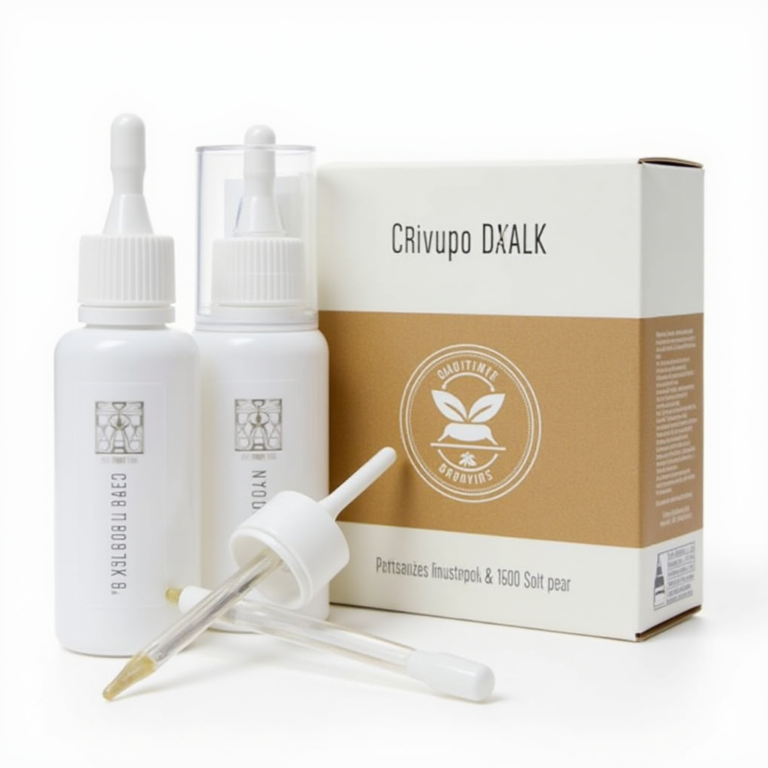
Data from QC labs shows that bottles with a wall thickness below 0.6mm have a 12% higher failure rate in high-altitude shipping environments. When selecting a 드롭퍼 보틀 2온스(60ml) or a similar sized foam bottle, the gram weight of the preform is the most accurate predictor of strength. For a 60ml foam bottle, a 14g to 16g weight is optimal for commercial durability.
| 기능 | Option A: PET Clear | Option B: HDPE Matte | Decision Driver |
|---|---|---|---|
| Visual Appeal | Premium, Glass-like | Industrial, Clinical | Brand Positioning |
| Impact Strength | Moderate (Can crack) | High (Flexible) | Shipping Distance |
| 재활용 가능성 | Code 1 (Widely accepted) | Code 2 (High) | Sustainability Goals |
| Cost Index | 1.0 (Baseline) | 0.9 (Lower cost) | Budget Constraints |
When the application requires a narrower material or application angle, such as high-concentration serums, buyers might look toward dropper bottle 2oz(60ml) options as a secondary packaging format. However, for foaming soaps and cleansers, the PET foamer remains the superior choice for maintaining air-to-liquid ratios (typically 15:1).
매핑된 제품 예시 및 적합성 시나리오
To ground the plastic foam bottle material selection process in reality, we can look at three specific catalog examples that represent the bulk of B2B demand. Each fits a distinct buyer persona and product lifecycle stage.
1. The Universal Standard: White Pump/White Lid
<
 English (United States)
  Spanish
  French
  German
  English (UK)
  Japanese
  Korean
  Russian
  Arabic