The Ultimate Dropper Guide: How to Choose and Use Precision Pipettes for Every Industry
In the world of precision liquids—whether it’s a high-potency retinol serum, a volatile essential oil, or a critical lab reagent—the difference between success and failure often comes down to a single drop. A “dropper” is more than just a cap; it is a calibrated instrument of delivery. When a formulation is designed to be effective at a specific milligram dosage, the delivery mechanism must be as reliable as the chemistry inside the bottle.
평결(빠른 답변): For most commercial applications, Borosilicate glass droppers are the gold standard for chemical inertness and longevity. However, if portability and cost are your primary drivers, LDPE plastic squeeze droppers offer the best durability. Always ensure your dropper’s bulb material (Silicone vs. Nitrile) is chemically compatible with your specific liquid to prevent polymer degradation.
Choosing the wrong dropper assembly can lead to more than just a messy application. It can result in product oxidation, chemical leaching, or inaccurate dosing that compromises consumer safety. This guide provides a deep dive into the engineering, materials, and physics behind the modern dropper.
Section 1: Anatomy of a Dropper: Materials and Compatibility
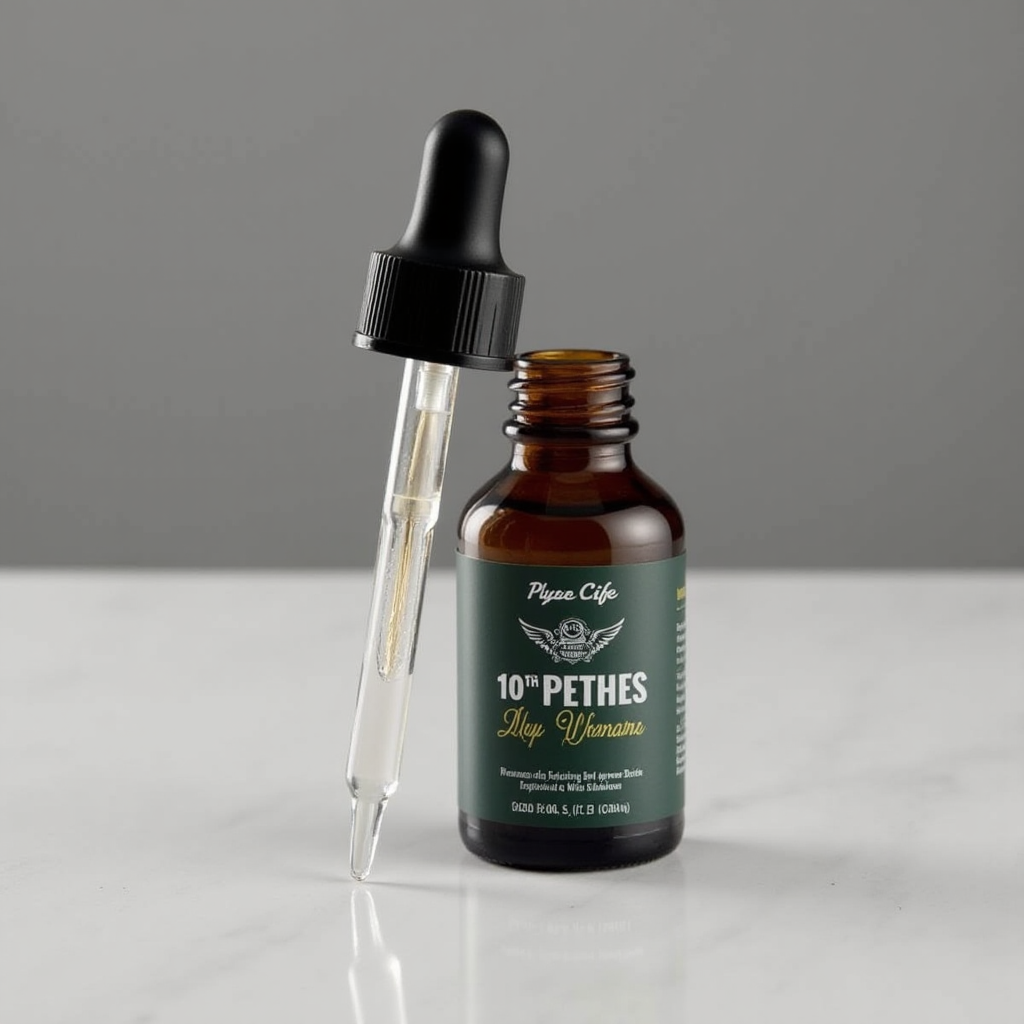
To master the dropper guide, you must understand that not all components are created equal. A standard dropper is a three-part assembly: the pipette (the tube), the bulb (the teat), and the cap (the closure). Each part must be evaluated based on the liquid it will house.
The Pipette (Tube)
The pipette is the primary contact point for your liquid. Most professional-grade pipettes are made from one of three materials:
- Borosilicate Glass: Known for its low coefficients of thermal expansion, this glass is highly resistant to chemical attack. It is the preferred choice for laboratory work and high-end skincare.
- Flint Glass: A more economical glass option, suitable for basic essential oils but less resistant to extreme temperature changes than borosilicate.
- Plastic (Polystyrene or Polypropylene): Often found in disposable diagnostic kits. While cheap, they lack the clarity and chemical “neutrality” of glass.
The Bulb (Teat)
The bulb provides the vacuum pressure required to draw liquid into the pipette. Its “snap-back” quality—the speed at which it returns to its original shape—is vital for user experience.
Monoprene 그리고 실리콘 are the current industry leaders. Monoprene offers a premium feel and excellent resistance to oils, whereas Natural Rubber, while traditional, tends to dry out, crack, and react poorly with many synthetic chemicals.
The Cap and Closure
The cap does more than hold the pipette; it ensures a vacuum seal. In regulated industries, the choice between a standard ribbed cap and a Child-Resistant Closure (CRC) is often a legal requirement. For products containing nicotine, high concentrations of essential oils, or certain pharmaceuticals, CRC caps with 변조 방지(TE) rings are mandatory to meet safety protocols.
Expert Insight: If you are working with light-sensitive compounds like Vitamin C, CBD, or Silver Nitrate, the pipette itself is rarely the problem—it’s the bottle. However, using a UV-coated or amber glass bottle in tandem with an opaque dropper assembly is essential to prevent photodegradation.
Section 2: Understanding Calibrations and Dosage Precision
Accuracy is the hallmark of a professional dropper. In industries like nutraceuticals, where “three drops” might be the difference between a supplement and a hazard, calibration is everything.
Printed Graduations
For tinctures and oral medications, printed graduations (usually in 0.25ml, 0.5ml, 0.75ml, and 1.0ml increments) provide the user with visual confirmation of the dose. It is important to ensure that the ink used for these graduations is food-grade and resistant to the liquid being dispensed, so it doesn’t rub off over time.
The Physics of a Drop
A common misconception is that one drop always equals 0.05ml (20 drops per ml). In reality, the “drop size” is dictated by the outer diameter of the pipette tip and the surface tension of the liquid. A thin, pointed tip will produce smaller drops, while a blunt, wide tip will produce larger, heavier drops. When switching between a water-based serum and an oil-based serum, you must recalibrate your expectations for how much liquid is being delivered per squeeze.
Meniscus Management
To read a dropper correctly, the user must look at the meniscus—the curve seen at the top of a liquid in response to its container. In a glass pipette, water-based liquids will curve downward. For medical-grade accuracy, the dose should be measured at the bottom of that curve, held at eye level. Failure to do this often leads to a 5-10% variance in actual volume delivered.
Section 3: The Comparison: Glass vs. Plastic Droppers
When deciding on the primary material for your dispensing system, you must weigh chemical stability against physical durability. While glass is often viewed as “premium,” plastic has distinct advantages in specific logistics chains.
| 기능 | Borosilicate Glass Droppers | LDPE/HDPE Plastic Droppers |
|---|---|---|
| 내화학성 | Exceptional. Non-reactive with acids and volatile oils. | Moderate. High risk of “stress cracking” with certain oils. |
| 내구성 | Fragile. Can shatter if dropped or over-tightened. | High. Virtually unbreakable; squeeze-proof. |
| Sterilization | Autoclave safe. Can withstand high-heat sterilization. | Limited. Most plastics warp under high heat. |
| Precision | High. Rigid tip diameter ensures consistent drop size. | Variable. The tip can deform under pressure. |
| Sustainability | Highly recyclable and reusable. | Recyclable, but often ends up in landfills due to size. |
| 최상의 대상 | Essential oils, Serums, Lab reagents, Luxury Cosmetics. | Eye drops, E-liquids, Adhesives, Travel-size products. |
For a deeper look at how material choices impact product safety, see our analysis on 유리 물병과 플라스틱 물병: 7가지 궁극적인 건강 진실, which explores the molecular stability of these materials in greater detail.
Section 4: Viscosity and Surface Tension: The Science of the “Drip”
A dropper guide isn’t complete without addressing the liquid itself. The flow characteristics of your product will determine the mechanical requirements of the dropper.
High Viscosity Liquids
Thick liquids, such as castor oil or heavy gel-based serums, create “viscous drag” inside a narrow pipette. If the orifice is too small, the vacuum pressure of the bulb won’t be enough to pull the liquid up. For these applications, a “jumbo” or wide-tip pipette is required. Conversely, if the liquid is too thin (like an alcohol-based tincture), it may drip out of the pipette before the user even squeezes the bulb.
The Air Pressure Factor
Have you ever noticed a dropper leaking during a flight? This is due to the expansion of the air trapped inside the bulb and the “headspace” of the bottle. As external pressure drops, the internal air expands, pushing the liquid out through the pipette. To prevent this, professional packaging strategies often involve using “recessed” bulbs or specific bottle-fill levels to minimize the air-to-liquid ratio. Understanding these nuances is just as critical as choosing the right spray mechanism, as discussed in 완벽한 스프레이 선택 가이드.
Section 5: Industry-Specific Applications
The “ideal” dropper changes depending on the market it serves. What works for a chemist will not work for a luxury skincare brand.
- Skincare & Cosmetics: Here, the “hand-feel” is paramount. Brands often opt for glass pipettes with metal-collared caps (gold or silver) to convey luxury. The aesthetic must match the performance.
- Pharmaceutical & Nutraceutical: Precision and safety are the only metrics that matter. These industries rely on 100% certified medical-grade glass and CRC closures to meet FDA and ISO standards.
- Aromatherapy: Essential oils are powerful solvents. A standard rubber bulb will often “melt” or become tacky when exposed to the vapors of lemon or peppermint oil. Aromatherapy-specific droppers use Nitrile 또는 Fluoroelastomer bulbs to resist these corrosive effects.
Value Add: The “Pro-Maintenance” Checklist
How to Clean and Reuse Your Droppers (Safely)
Reusing a dropper is an excellent way to reduce waste, but it must be done with clinical precision to avoid cross-contamination.
- Disassemble: Gently pull the bulb away from the cap and remove the glass pipette. Liquid often gets trapped in the “neck” where the glass meets the rubber; if not separated, this becomes a breeding ground for bacteria.
- Solvent Bath: For oil-based products, soak the glass components in 70% Isopropyl alcohol. For aqueous (water-based) solutions, warm soapy water is sufficient.
- Flush: Use a clean syringe to force water or alcohol through the narrow tip of the pipette. This ensures no dried residue remains inside the tube.
- Air Dry: Never wipe a pipette with a cloth or paper towel, as this introduces lint and micro-fibers. Place them on a sterile drying rack in a dust-free environment.
- Bulb Inspection: Check the bulb for “tackiness” or micro-cracks. If the bulb feels sticky, the polymer has begun to degrade chemically and the entire assembly must be replaced.
자주 묻는 질문 자주 묻는 질문
Q: How many drops are in a 1ml dropper?
While the industry standard is approximately 20 drops per ml, this varies significantly based on the liquid’s viscosity and the pipette’s tip diameter. For medical accuracy, you should always calibrate your specific dropper with your specific liquid by counting how many drops it takes to fill a 1ml graduated cylinder.
Q: Why is my dropper bulb swelling or melting?
This is a classic sign of chemical incompatibility. Natural rubber bulbs react poorly with essential oils and aggressive solvents. If your bulb is swelling, you should switch to Nitrile or Silicone bulbs, which offer superior resistance to chemical breakdown.
Q: Are glass droppers recyclable?
The glass pipette is generally recyclable as “Type 3” glass. However, the bulb and the plastic cap are usually made of mixed materials (polymers and resins) that are difficult for standard municipal facilities to process. For the most eco-friendly approach, look for brands that offer “mono-
 English (United States)
  Spanish
  French
  German
  English (UK)
  Japanese
  Korean
  Russian
  Arabic