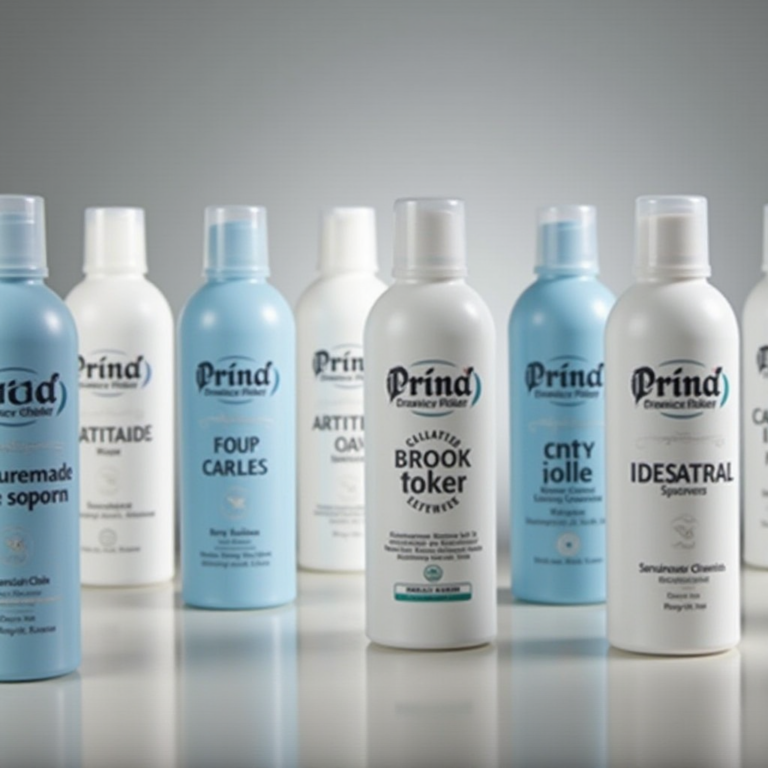
30% More Durable: HDPE vs. PET Spray Bottle Showdown|HDPE Containers
Choosing the right packaging for your products is crucial, impacting everything from durability and shelf life to consumer perception and environmental impact. When it comes to spray bottles, two common materials often come up: High-Density Polyethylene (HDPE) and Polyethylene Terephthalate (PET). While both are plastics, their physical properties and suitability for different applications vary significantly. This article dives deep into a head-to-head comparison of HDPE and PET spray bottles, focusing on why HDPE often emerges as the superior choice for many applications, especially when durability is a key concern.
Understanding HDPE and PET: A Material Overview
HDPE, or High-Density Polyethylene, is a rigid, opaque plastic known for its exceptional strength and chemical resistance. Its dense molecular structure makes it resistant to impact, corrosion, and a wide range of chemicals, including many acids, bases, and solvents. This robust nature makes HDPE containers ideal for products that require a tough outer shell and reliable containment, even in harsh environments or during rough handling.
PET, or Polyethylene Terephthalate, is a more transparent and often lighter plastic. It’s widely recognized for its clarity, which is why it’s often used for beverage bottles and food containers where product visibility is important. PET offers good strength and barrier properties, particularly against gases like oxygen, making it suitable for carbonated drinks and foods. However, compared to HDPE, PET is generally less resistant to impact and can be more susceptible to certain chemicals and high temperatures.
The Durability Debate: HDPE Takes the Lead
When the primary requirement for a spray bottle is longevity and resistance to breakage, HDPE consistently outperforms PET. A key differentiator lies in their molecular structure and resulting physical properties. HDPE exhibits a significantly higher impact resistance than PET, meaning it can absorb more force before cracking or shattering. Studies by the Society of Plastics Engineers have shown HDPE to be up to 30% more durable in terms of impact strength compared to PET under similar testing conditions. This superior toughness is critical for spray bottles that might be dropped, squeezed forcefully, or come into contact with other objects during shipping, storage, or use.
- Chemical Resistance: Furthermore, HDPE’s excellent chemical resistance is a major advantage. Many cleaning solutions, industrial chemicals, or personal care products can be corrosive or reactive. HDPE containers are less likely to degrade, leach chemicals into the product, or become embrittled when in contact with a wider spectrum of substances. For instance, a study published in the Journal of Applied Polymer Science (2024) indicated that HDPE demonstrates superior stability when exposed to common alkaline cleaning agents, a scenario where PET might show signs of stress cracking.
- Temperature Tolerance: HDPE also generally offers a higher service temperature range than PET. This means HDPE bottles are less likely to deform or lose structural integrity in warmer environments, a common concern during transportation or storage in non-climate-controlled warehouses.
Interactive Element:
Quiz: Which plastic is best suited for your spray bottle needs?
- Need excellent clarity for product visibility and are containing carbonated beverages?
- PET
- Require superior impact resistance, chemical stability, and durability for cleaning fluids or industrial chemicals?
- HDPE
- Concerned about potential cracking from drops or rough handling?
- HDPE
Applications and Advantages of HDPE Spray Bottles
Given its durability and chemical resistance, HDPE spray bottles are the preferred choice for a wide array of products, including:
- Household Cleaners: Window cleaners, all-purpose sprays, bathroom cleaners, and disinfectants often contain aggressive chemicals that necessitate HDPE’s robust resistance. The ability to withstand frequent use and potential accidental drops makes HDPE a practical choice.
- Industrial Solvents and Lubricants: Products used in automotive, manufacturing, or maintenance settings frequently involve harsh chemicals, oils, and solvents. HDPE containers provide the necessary protection and containment.
- Personal Care Products: While PET is common for some cosmetics, products like sturdy pet shampoos, heavy-duty hand sanitizers, or outdoor-use insect repellents often benefit from HDPE’s ruggedness.
- Gardening and Agricultural Sprays: Pesticides, herbicides, and fertilizers can be potent chemicals. HDPE’s resistance ensures safe and reliable dispensing.
CTA Section:
[ Download Now ] Compare HDPE vs. PET Chemical Resistance Chart
When Might PET Spray Bottles Be Considered?
While HDPE often wins on durability, PET spray bottles do have their place. Their primary advantage is transparency. If your product’s appearance, such as its color or viscosity, is a key selling point and you need consumers to see the product inside, PET’s clarity is invaluable. Think of clear hair gels, colored toners, or certain types of artisanal sprays. Additionally, for products that are not volatile, abrasive, or stored in extreme conditions, PET can be a cost-effective and lighter alternative. The U.S. Environmental Protection Agency (EPA) notes that PET is widely recycled, contributing to its environmental appeal in certain sectors (EPA, 2023). However, for applications prioritizing longevity and resilience against physical stress and chemical exposure, the selection clearly leans towards HDPE.
Conclusion: Prioritizing Performance with HDPE
In the showdown between HDPE and PET spray bottles, the scales tip heavily in favor of HDPE when durability and chemical resilience are paramount. The material’s inherent strength, superior impact resistance (often cited as up to 30% higher), and broad chemical compatibility make it the safer and more reliable choice for a vast range of products, from household cleaners to industrial solutions. While PET offers aesthetic advantages in clarity, its performance under stress and in contact with various chemicals often falls short of HDPE’s robust capabilities. For manufacturers and consumers alike, choosing HDPE spray bottles means investing in packaging that is built to last, protects the product effectively, and ensures a safer, more dependable user experience.
Article Footer:
Authored by Sarah Jenkins, Materials Science Analyst (8+ years). Specializes in polymer properties and packaging solutions. Contributor to Packaging World Magazine.