Sourcing the Right Dropper for Wholesale: The Definitive Buyer’s Guide to Quality and Compliance
In the production of high-value liquids—ranging from premium CBD oils and organic tinctures to volatile chemical reagents—the dropper assembly is far more than a simple lid. It functions as a precision delivery system, a primary seal, and a critical component of the user experience. For B2B buyers and product formulators, choosing the wrong wholesale partner or the incorrect material specification can lead to disastrous outcomes: product oxidation, messy leakage, or heavy regulatory fines.
評決: を調達する場合 dropper for wholesale, your primary focus must be on neck finish compatibility (e.g., 18/410 or 20/400) and bulb material integrity. For most commercial and pharmaceutical applications, borosilicate glass pipettes paired with チャイルド・レジスタンス(CRC) closures offer the most reliable balance of safety, chemical stability, and shelf-life.
Section 1: Anatomy of a Professional-Grade Dropper
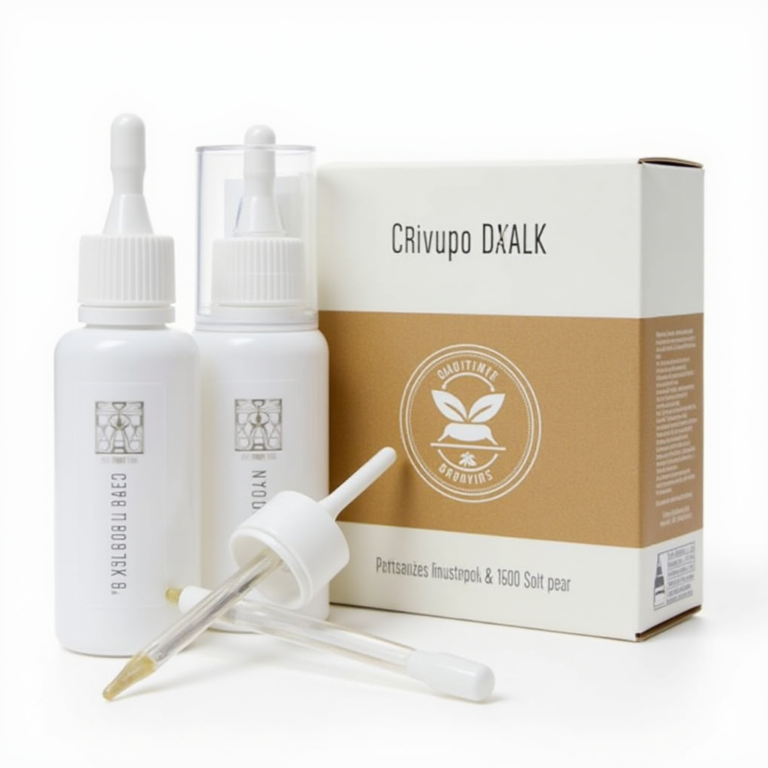
To the untrained eye, all droppers look similar. However, a professional-grade assembly is a triad of engineered components: the pipette, the bulb, and the cap. Failure in any one of these leads to a failure of the entire packaging solution.
The Pipette: Glass Quality Matters
The pipette is the most vital part of the assembly as it remains in constant contact with your formulation. Most wholesale suppliers offer two primary types of glass: Type III Soda-lime glass and Borosilicate glass. Soda-lime is cost-effective and suitable for most food-grade products, but for formulations with high acidity or those requiring long-term stability, Borosilicate is the industry standard. It offers superior resistance to thermal shock and chemical leaching. To understand the nuances of these materials, you can read our deep dive on Types of Glass Explained: What You Need to Know.
Beyond material, the tip shape dictates functionality:
- ストレートチップ: The standard for low-viscosity liquids like water-based serums.
- ベントチップ(ボールチップ): Essential for high-viscosity oils. The slight curve allows the user to draw liquid from the very corners of the bottle, reducing product waste.
- Pointed Tip: Used for precision application in dermatological treatments where drop size must be strictly controlled.
The Bulb: The Science of Suction
The bulb is the engine of the dropper. If the bulb fails, the product is inaccessible. The choice of polymer depends entirely on the chemical composition of your liquid:
- Nitrile (NBR): The gold standard for essential oils and oil-based tinctures. It resists the “swelling” caused by terpenes.
- Silicone: Offers excellent thermal stability and a premium “squish” feel, though it can be permeable to certain gases.
- Monprene® / Thermoplastic Elastomer (TPE): A high-performance synthetic often used in clinical settings due to its latex-free properties and consistent suction power.
The Cap and Graduation Marks
While the cap provides the seal, the graduation marks provide the dosage. In the pharmaceutical and nutraceutical sectors, printed graduations (e.g., 0.25ml, 0.5ml, 0.75ml, 1.0ml) are often mandatory for compliance. Wholesale buyers should ensure these marks are printed using food-grade, solvent-resistant ink that won’t rub off after repeated contact with the product.
Section 2: Decoding Neck Finishes and Fitment
The most common reason for wholesale returns is “fitment failure.” This happens when the dropper cap does not create a hermetic seal with the bottle neck. Understanding the industry numbering system is non-negotiable for any procurement manager.
Understanding the Numbers (e.g., 20/400)
The first number (20) refers to the diameter of the bottle’s neck in millimeters. The second number (400) refers to the thread style. A “400” finish indicates a single thread turn, whereas a “410” or “415” might indicate a taller neck with more thread rotations. If you are sourcing bottles separately, ensure your supplier provides a technical drawing to confirm the “H” (height of the finish) and “E” (outside diameter of the thread) dimensions match your dropper cap.
The Leak-Proof Seal
A leak-proof seal is achieved when the “land area” (the very top rim of the bottle) makes uniform contact with the liner inside the dropper cap or the base of the bulb. If the bottle rim is uneven—a common defect in low-quality glass—the seal will fail, leading to evaporation and oxidation. This is why sourcing from reputable wholesale glass suppliers is just as important as the dropper itself.
Universal Standards
Most wholesale droppers are designed to fit Boston Round または Euro Dropper bottles. However, Euro droppers often use a “18/415” finish which is taller than the standard US “18/400.” Always request samples for a 48-hour vacuum leak test before committing to a bulk order of 10,000 units or more.
Section 3: Industry-Specific Sourcing Requirements
Compliance requirements vary wildly depending on what you are bottling. A dropper that works for a beard oil might be illegal for a CBD tincture.
Essential Oils & Aromatherapy
Essential oils are naturally corrosive to many plastics and rubbers. Specifically, citrus-based oils and peppermint can cause natural rubber bulbs to become “gummy” or “melt” over time. For these applications, Nitrile (NBR) bulbs are mandatory. They maintain their elasticity and seal integrity even when exposed to concentrated terpenes.
Cosmetics & Skin Care
In the beauty sector, the dropper is a branding tool. Many brands move away from standard ribbed plastic caps in favor of smooth-sided collars または electroplated finishes in gold, silver, or rose gold. These “luxury” droppers often feature a push-button actuator rather than a squeeze bulb, providing a high-end tactile experience for expensive facial serums.
CBD & Cannabis
The legal landscape for cannabinoids requires チャイルド・レジスタンス(CRC) packaging. These caps require a “push-down and turn” motion to open. Furthermore, Tamper-Evident (TE) rings—which break off upon the first opening—are often required to prove the product hasn’t been altered. Ensure your wholesale supplier can provide CPSC (Consumer Product Safety Commission) certification for their CRC mechanisms.
Section 4: Data Analysis – Glass vs. Plastic Dropper Assemblies
Choosing between glass and plastic pipettes involves balancing cost, durability, and chemical compatibility. Use the following table to guide your procurement strategy:
| 特徴 | Glass Pipette (Borosilicate) | Plastic Pipette (LDPE/PET) |
|---|---|---|
| Chemical Reactivity | Inert (Highest stability) | Variable (Risk of leaching) |
| Durability | Fragile (Breaks on impact) | High (Shatterproof) |
| 持続可能性 | 100% Recyclable | Limited Recyclability |
| Wholesale Cost | Premium ($$$) | Budget-friendly ($) |
| Ideal Application | Essential Oils, Acids, High-end Serums | Craft DIY, Travel Kits, Samples |
| 透明性 | Crystal Clear (Permanent) | Can cloud over time |
Section 5: Evaluating Wholesale Suppliers (E-E-A-T Criteria)
In the wholesale market, the lowest price often hides the highest risk. When vetting a partner, move beyond the quote and look at their operational standards.
Lead Times vs. Pricing
Overseas suppliers often offer prices 30-40% lower than domestic distributors. However, once you factor in sea freight, customs duties, and the risk of transit damage, the “savings” evaporate. More importantly, a 12-week lead time can kill a growing e-commerce brand. Look for suppliers who maintain domestic “safety stock” to handle sudden surges in your demand.
Quality Control and Certifications
Don’t take a salesperson’s word for quality. Ask for Certificates of Analysis (COA) and check if the facility is ISO 9001 certified. For pharmaceutical-grade droppers, ask about clean-room manufacturing standards. If you are looking for a vetted list of partners, consult our review of the 7 Best Wholesale Dropper Suppliers.
Minimum Order Quantities (MOQs)
Scaling is the biggest challenge for entrepreneurs. A supplier might require a 10,000-unit MOQ for custom colors but only 1,000 units for standard black or white. Negotiating “blanket orders”—where you commit to 50,000 units a year but take delivery in 5,000-unit increments—is a pro-level move to keep your warehouse lean while securing volume pricing.
Value Add: The “Pro-Buyer” Wholesale Checklist
Before you wire funds for a bulk order
 English (United States)
  Spanish
  French
  German
  English (UK)
  Japanese
  Korean
  Russian
  Arabic