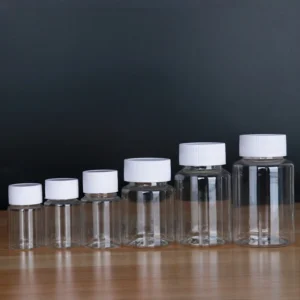
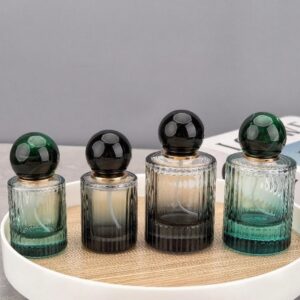
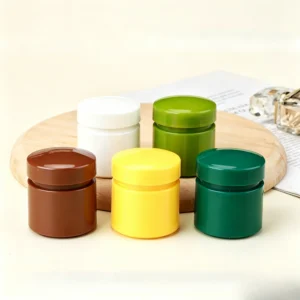
Glass vs plastic dropper bottles for essential oils is a packaging decision about the complete assembly, not only the bottle material. The liquid, pipette, bulb, collar, seal, fill level, storage, transport, and intended dispensing method all affect the result.
Glass may suit a premium presentation or a project that needs a particular color and bottle feel. Plastic may suit a lightweight or breakage-sensitive workflow. Neither material automatically proves leak resistance, light protection, or compatibility with every essential oil blend. Test the filled assembly before approving a wholesale order.
When should you compare glass and plastic?
| Decision factor | What glass may offer | What plastic may offer | What to verify |
|---|---|---|---|
| Brand presentation | A rigid, premium-looking pack for a retail or gift presentation. | A lightweight pack with a different tactile and visual brief. | Actual sample appearance, color, decoration, and label fit. |
| Breakage and transport | May require more protective packing and careful handling. | May reduce breakage concerns in some logistics workflows. | Filled-package handling, drop or vibration protocol, and outer packaging. |
| Light exposure | Colored glass may be a candidate when the brief includes reduced visible exposure. | Color and polymer construction vary by product. | Request relevant light-transmission information; do not infer a measured barrier from color alone. |
| Formula contact | The bottle body is only one part of the contact system. | The polymer, bulb, pipette, and seal require review. | Identify all wetted components and test the actual oil blend. |
| Shipping weight | Usually needs a filled-weight and carton review. | May support a lighter pack, depending on the selected product. | Compare filled unit weight, protective materials, carton count, and destination cost. |
These are evaluation questions rather than universal material rules. The supplier should confirm the exact product configuration, and the formulator should review the formula-contact requirements.
How should you assess leakage?
Leakage is an assembly and handling question. Check the bottle neck, matched collar, pipette, bulb, liner or seal, cap engagement, fill level, and transport orientation together.
- Request the complete bottle and closure assembly quoted for production.
- Fill samples with the intended essential oil blend or a representative batch.
- Inspect the closure after filling and after repeated opening and closing.
- Store samples in the expected orientation and temperature range.
- Apply the handling and transport method planned for the finished product.
- Inspect for visible leakage, odor transfer, closure loosening, component change, and label damage.
- Record the formula, components, conditions, and acceptance decision.
A product title that includes âleak-proofâ or ârefillableâ is a starting point for a sample request. It is not a substitute for testing the filled configuration with your formula.
Does dark or amber glass guarantee light protection?
No. A brown, amber, green, or dark appearance does not by itself provide a measured light-protection claim. If the oil blend is sensitive to light, ask the supplier for relevant material or transmission information and evaluate the product in the final marketed pack.
Also consider the closure and pipette. The bottle body cannot protect parts of the product that are exposed through the neck or dispensing process. Use the formulator’s storage and packaging requirements when deciding what evidence is sufficient.
Which product options can you shortlist?
BOBOPKG lists both glass and PE dropper formats. The published options below can help create a sample shortlist; the listed name and attributes do not certify oil compatibility or leakage performance.
| Option publiée | Listed options | Sample checks |
|---|---|---|
| Glass dropper bottle for essential oil or perfume travel use | 1ml, 2ml, 3ml, 5ml; listed color options include transparent and brown. | Confirm the exact pipette, bulb, fill, closure seal, and label area at the selected size. |
| Flacon compte-gouttes en verre doré | 15ml, 30ml, and 50ml; material options listed as glass and plastic. | Confirm whether the selected option is glass or plastic, plus the complete closure and product-contact components. |
| Flacon compte-gouttes souple en PE | 5 ml, 10 ml, 15 ml, 20 ml, 30 ml et 50 ml ; bouchon blanc inclus. | Test squeeze behavior, formula contact, cap sealing, draw and release, and transport handling. |
What should an essential-oil packaging quote include?
Send the supplier the oil blend description, target fill, bottle material preference, color, closure, pipette or bulb requirement, decoration, sample quantity, order quantity, destination, and transport conditions.
Ask for product-contact material information, the matched assembly, usable fill, sample timing, MOQ, customization options, lead time, and price for the exact configuration. If you need a colored or light-reducing pack, ask what evidence is available for that specific item instead of assuming all dark bottles perform alike.
Compare additional formats in the Catégorie « flacons compte-gouttes » et le gamme de conditionnements pour huiles essentielles. Contacter BOBOPKG with the blend type, fill, and shortlisted product links to request samples and a current quotation.
Foire aux questions
Is glass always better for essential oils?
No. Choose after reviewing the formula, closure, light brief, transport, weight, and sample results. A material preference does not replace a compatibility and leakage check.
Is plastic always unsafe for essential oil blends?
No universal conclusion is reliable. The polymer, blend, exposure time, temperature, and other product-contact components all matter. Request material information and test the finished assembly.
Can I claim that an amber bottle protects the oil from UV?
Do not make a measured light-protection claim from color alone. Request supporting information and evaluate the final pack when light sensitivity matters.
What is the first sample to request?
Request the exact bottle, pipette, bulb, collar, seal, and cap intended for production, filled with the actual blend or a representative batch. Approve the whole assembly only after the planned storage and handling checks.


 English
 Français
 Deutsch
 Español