## Why Beauty Packaging Matters for Startups
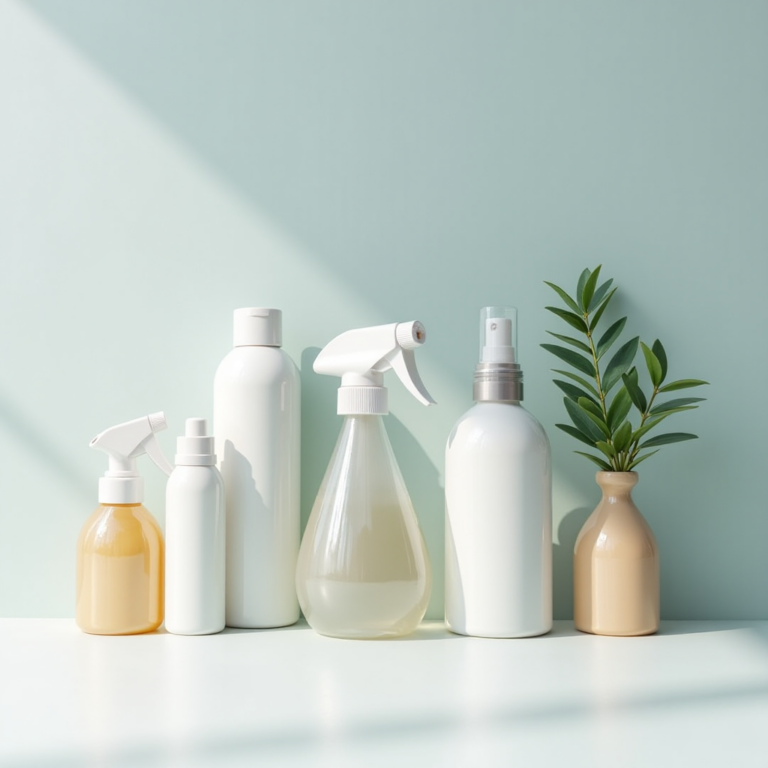
In the beauty industry, packaging does several jobs at once. It needs to protect the product, communicate the brand, fit the target price point, and work well across shipping, retail shelves, and social content.
For a startup, packaging decisions are even more important because small mistakes can create expensive problems. If you choose the wrong component, you may deal with leaks, product contamination, poor dispensing, broken pumps, or damaged labels. If you choose the right one, you can improve customer trust and reduce operational headaches.
Strong beauty packaging for startups usually delivers five things:
1. Product protection and stability.
2. Brand differentiation in a crowded market.
3. A user-friendly application experience.
4. Compliance support for labeling and claims.
5. Better margins through smart sourcing and fewer returns.
## Start With the Product, Not the Aesthetic
Many founders begin with mood boards, color palettes, and box styles. Branding matters, but packaging should start with the product itself.
Ask these questions first:
– Is the formula a serum, cream, oil, powder, balm, mist, or cleanser?
– Is it sensitive to light, air, moisture, or contamination?
– Does it need a pump, dropper, jar, tube, or airless bottle?
– Will customers use it daily, while traveling, or in professional settings?
– Is the product sold direct-to-consumer, in retail, or both?
For example, a vitamin C serum often benefits from opaque or UV-protective packaging because light exposure can reduce formula stability. A face cream in a jar may feel luxurious, but an airless pump may offer better hygiene and dosing control. Matching the component to the formula is one of the smartest early decisions a beauty startup can make.
## Common Types of Beauty Packaging for Startups
The best format depends on the product category, target customer, and budget.
### Bottles
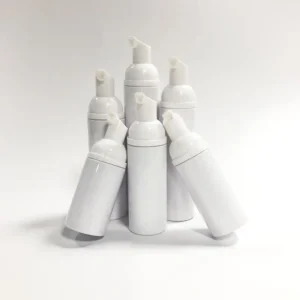
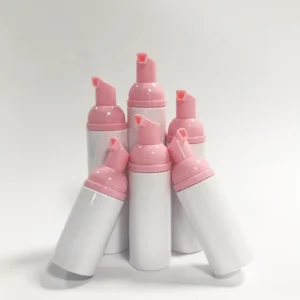
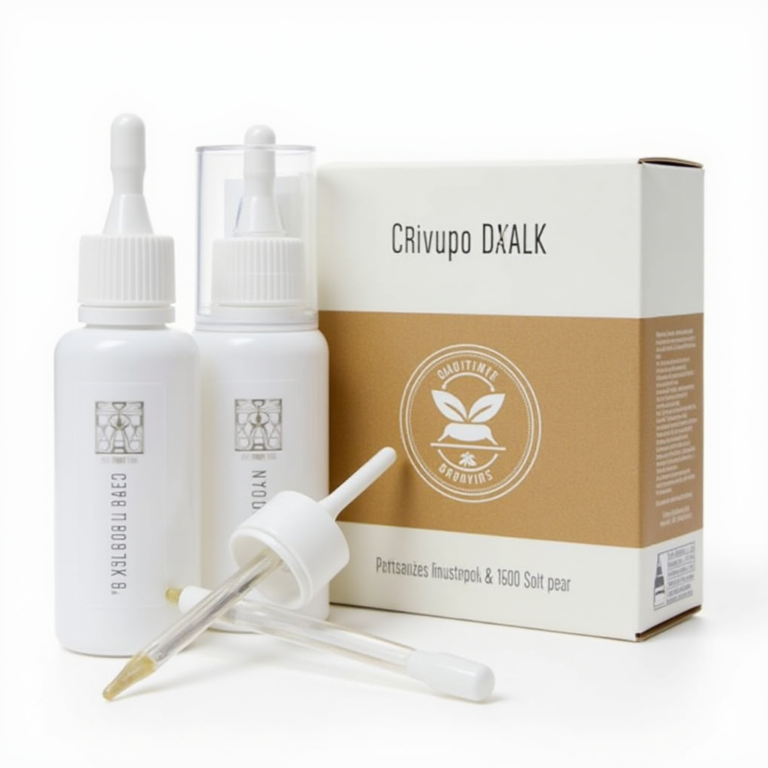
Bottles are commonly used for serums, toners, oils, shampoos, and liquid foundations. They can be paired with droppers, pumps, sprayers, or disc caps.
Best for:
– Liquid skincare
– Haircare
– Facial mists
– Body oils
### Tubes
Tubes are practical, portable, and often cost-effective for cleansers, sunscreens, hand creams, and gels. They also offer good control over dispensing.
Best for:
– Creams and lotions
– Travel-friendly products
– Mass-market or functional positioning
### Jars
Jars are popular for masks, balms, and thick creams. They can create a premium look, but they may expose the product to air and repeated finger contact.
Best for:
– Thick textures
– Spa-style products
– Products where sensory experience is part of the appeal
### Airless Packaging
Airless pumps help reduce oxidation and contamination. They are a strong choice for active skincare formulas and brands that want a more clinical or high-performance look.
Best for:
– Serums with active ingredients
– Premium skincare lines
– Products that need better formula protection
### Secondary Packaging
Secondary packaging includes folding cartons, inserts, sleeves, and mailer boxes. Startups do not always need elaborate secondary packaging, but it can help with shelf presence, storytelling, and damage prevention.
Best for:
– Retail display
– Giftable products
– Education-heavy products that need extra instructions
## Choosing the Right Packaging Materials
Material choice affects cost, appearance, recyclability, shipping weight, and compatibility.
### Plastic
Plastic is lightweight, durable, and usually more affordable than glass. PET, HDPE, PP, and acrylic are common in beauty packaging.
Advantages:
– Lower shipping costs
– Less breakage risk
– Wide component availability
Tradeoffs:
– Sustainability concerns if not thoughtfully sourced
– Can look less premium depending on finish and design
### Glass
Glass often signals quality and works especially well for serums, oils, and fragrances. Amber or frosted glass can also support a premium visual identity.
Advantages:
– High-end appearance
– Good compatibility for many formulas
– Perceived value boost
Tradeoffs:
– Heavier shipping weight
– Higher breakage risk
– Usually higher unit cost
### Aluminum and Metal Components
Metal packaging can work well for balms, certain haircare products, or minimalist brand positioning. It can also help a brand stand out visually.
Advantages:
– Distinctive look
– Durable feel
– Often aligned with refill or low-plastic positioning
Tradeoffs:
– Limited compatibility for some formulations
– Higher sourcing complexity in some cases
## How Startups Can Balance Branding and Budget
One of the biggest challenges in beauty packaging for startups is creating a premium look without overspending. In the early stages, packaging should feel intentional, not excessive.
Instead of customizing every component, many startups get better results by combining stock packaging with selective branding upgrades. This can include:
– A stock bottle with a custom label.
– A standard tube with a unique cap color.
– A simple carton with strong typography and messaging.
– A clean unboxing experience with one memorable branded element.
This approach helps reduce tooling costs, shorten lead times, and keep minimum order quantities more manageable. It also gives you room to test the market before investing in fully custom molds or specialty finishes.
## Understand MOQ, Lead Time, and Tooling Early
Packaging can look affordable at first glance, then become expensive once you factor in minimum order quantity, decoration, freight, and production timing.
Before approving a supplier, ask for clarity on:
– MOQ for each component.
– MOQ for decorated versus undecorated units.
– Sample cost and timing.
– Lead time for production and reorders.
– Tooling or mold charges.
– Label application or printing options.
– Shipping terms and freight responsibilities.
For startups, lower MOQ suppliers are often worth prioritizing, even if the per-unit cost is slightly higher. Protecting cash flow is usually more important than chasing the absolute lowest unit price too early.
## Compliance and Labeling Essentials
Beauty brands cannot treat packaging as a branding exercise alone. Labels and packaging also need to support legal and regulatory requirements.
Depending on your market, product category, and claims, packaging may need to include:
– Product identity.
– Net contents.
– Ingredient list.
– Directions for use.
– Warnings or cautions.
– Manufacturer or distributor information.
– Batch code or traceability information.
If you sell in the United States, review current guidance from the [U.S. Food and Drug Administration](https://www.fda.gov/cosmetics) and the [Federal Trade Commission](https://www.ftc.gov/) for labeling and marketing claims. If you sell internationally, check the relevant country or region requirements before finalizing artwork.
Avoid crowded label layouts. A beautiful package that leaves no room for required information can create delays, relabeling costs, or compliance risk.
## Sustainable Beauty Packaging for Startups
Sustainability is now a buying factor for many beauty shoppers, but founders should be careful not to overpromise. Sustainable packaging claims need to be clear, specific, and supportable.
Practical ways to improve sustainability include:
– Using recyclable materials where collection systems exist.
– Reducing unnecessary secondary packaging.
– Choosing post-consumer recycled content when feasible.
– Designing refillable or reusable formats for suitable products.
– Right-sizing packaging to reduce shipping waste.
For many startups, the most realistic path is progress over perfection. A simpler carton, fewer mixed materials, and honest messaging can be more credible than making broad claims that are hard to verify.
## How to Choose the Right Packaging Supplier
The right supplier should offer more than a catalog. They should be responsive, transparent, and able to support quality as your brand grows.
When evaluating suppliers, look for:
– Experience in beauty or personal care packaging.
– Clear communication and reasonable sampling support.
– Documentation on material specifications and compatibility.
– Decoration options such as silk screen, hot stamping, labeling, or direct print.
– Consistent lead times and reorder support.
– Willingness to discuss startup-friendly volumes.
Request samples before making a final decision. Test them for leakage, dispensing, label adhesion, cap fit, and shipping durability. If possible, fill the packaging with your actual formula and monitor how it performs over time.
## Packaging Design Tips That Help Startups Look Established
You do not need complex packaging to look credible. You need consistency.
The most effective startup beauty packaging often uses:
– Clear hierarchy on the front label.
– One strong brand color or accent.
– Readable typography.
– Concise benefit-led messaging.
– A cohesive look across the product line.
If you launch with multiple SKUs, make sure the collection feels unified. Customers should immediately recognize that the cleanser, serum, and moisturizer belong to the same brand family.
## Common Mistakes Startups Make With Beauty Packaging
Even strong products can underperform when packaging choices create friction.
Here are some of the most common mistakes:
### Choosing packaging before formula testing
Packaging and formula should be evaluated together. Incompatibility can lead to leaks, discoloration, clogging, or reduced shelf life.
### Overspending on custom packaging too early
Custom molds and premium embellishments can tie up cash that is better spent on product validation, content, and customer acquisition.
### Ignoring shipping realities
Heavy glass, fragile pumps, and oversized cartons can increase fulfillment costs and damage rates.
### Forgetting the customer experience
If the pump sticks, the cap cracks, or the jar is messy to use, repeat purchase rates may suffer.
### Making vague sustainability claims
Customers are increasingly skeptical of generic eco messaging. Be specific and accurate.
## A Simple Packaging Process for Beauty Startups
If you want a practical starting framework, use this sequence:
1. Define the formula needs and product format.
2. Set the packaging budget and target retail price.
3. Shortlist stock components that match the product.
4. Order samples and test with the real formula.
5. Build label and carton concepts around required compliance space.
6. Review freight, MOQ, and reorder timing.
7. Run a small launch batch if possible.
8. Improve after early customer feedback.
This process helps startups reduce risk while still building a brand that looks thoughtful and market-ready.
## FAQ: Beauty Packaging for Startups
### What is the best beauty packaging for startups?
The best beauty packaging for startups depends on the formula, target customer, and sales channel. Stock bottles, tubes, and airless pumps are often strong choices because they balance cost, functionality, and speed to market.
### Should startups use custom or stock beauty packaging?
Most early-stage brands benefit from starting with stock packaging and adding custom labels or simple decoration. This reduces upfront cost and lets you validate demand before investing in full customization.
### Is glass or plastic better for startup beauty brands?
Glass can look more premium, while plastic is often lighter, safer to ship, and more cost-effective. The right choice depends on your product positioning, formula compatibility, and logistics.
### How can a startup make beauty packaging look premium on a budget?
Focus on clean design, consistent branding, high-quality labels, and one or two distinctive details rather than trying to customize every component.
### What should startups ask a beauty packaging supplier?
Ask about MOQ, lead times, component compatibility, sample availability, decoration options, quality control, and reorder timelines.
## Final Thoughts
Beauty packaging for startups should support the product, strengthen the brand, and make operations easier, not more complicated. The best packaging choices are usually the ones that balance appearance, compatibility, compliance, and cost.
If you are building a beauty brand from scratch, start simple, test thoroughly, and upgrade strategically. That approach helps you protect cash flow while still creating packaging that customers trust and remember.
## Suggested Link Opportunities
– Internal link placeholder: Brand positioning guide
– Internal link placeholder: Cosmetic product development process
– Internal link placeholder: How to choose a private label beauty manufacturer
– External link: [FDA Cosmetics](https://www.fda.gov/cosmetics)
– External link: [FTC Advertising and Marketing Basics](https://www.ftc.gov/business-guidance/advertising-marketing)
## Handoff Summary
– Intent: Informational, commercial-intent support for founders researching packaging decisions.
– Audience: Beauty startup founders, indie brand operators, and early-stage cosmetic product teams.
– Primary keyword used: Beauty Packaging for Startups.
– Secondary topic coverage: sustainable packaging, MOQ, supplier selection, compliance, materials, branding, shipping.
– Angle: Practical startup guide focused on balancing product protection, budget, and brand credibility.
– Publish blockers: None, but brand-specific internal links and region-specific compliance review should be added before publishing.
– Missing evidence: No proprietary cost benchmarks or supplier comparisons were included because none were provided.
 English (United States)
  Spanish
  French
  German
  English (UK)
  Japanese
  Korean
  Russian
  Arabic